
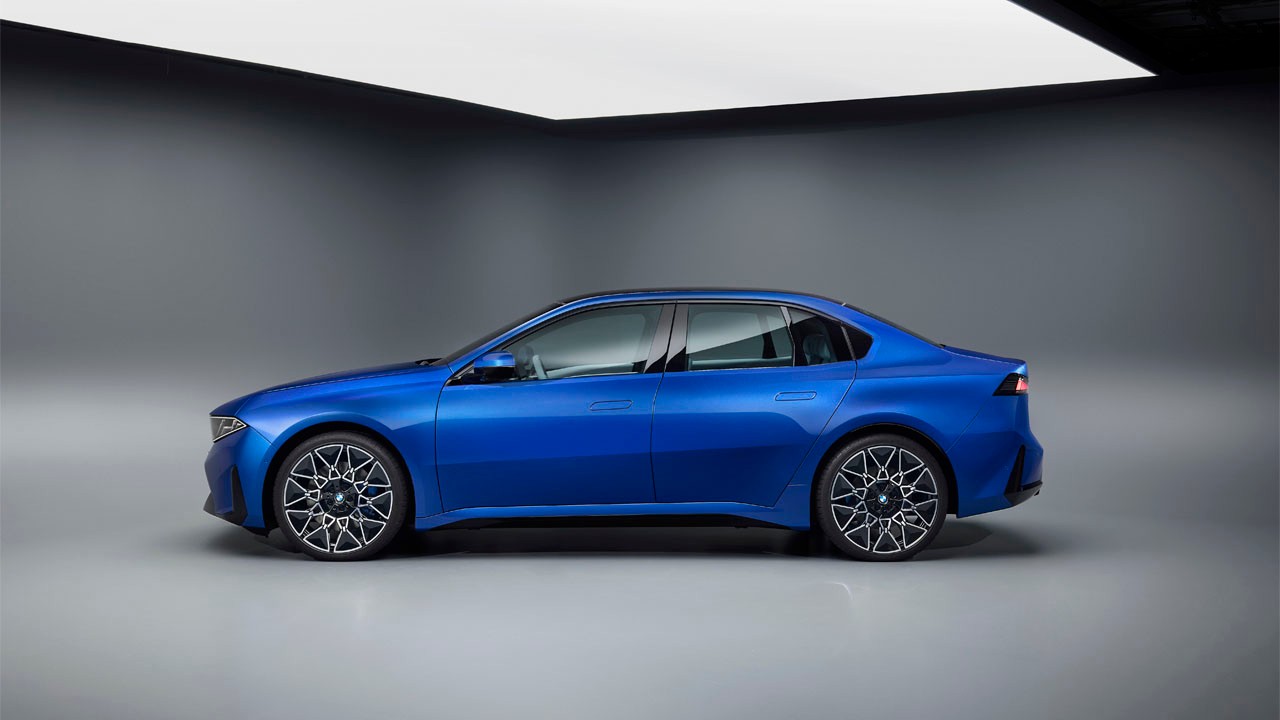
For years, BMW enthusiasts have sought a single breakthrough: an electric vehicle that retains the brand’s signature driving dynamics. Moving beyond the niche appeal of the original i3 and the substantial footprint of the iX SUV, the demand has remained clear—drivers want the iconic 3 Series experience with a fully electric powertrain.
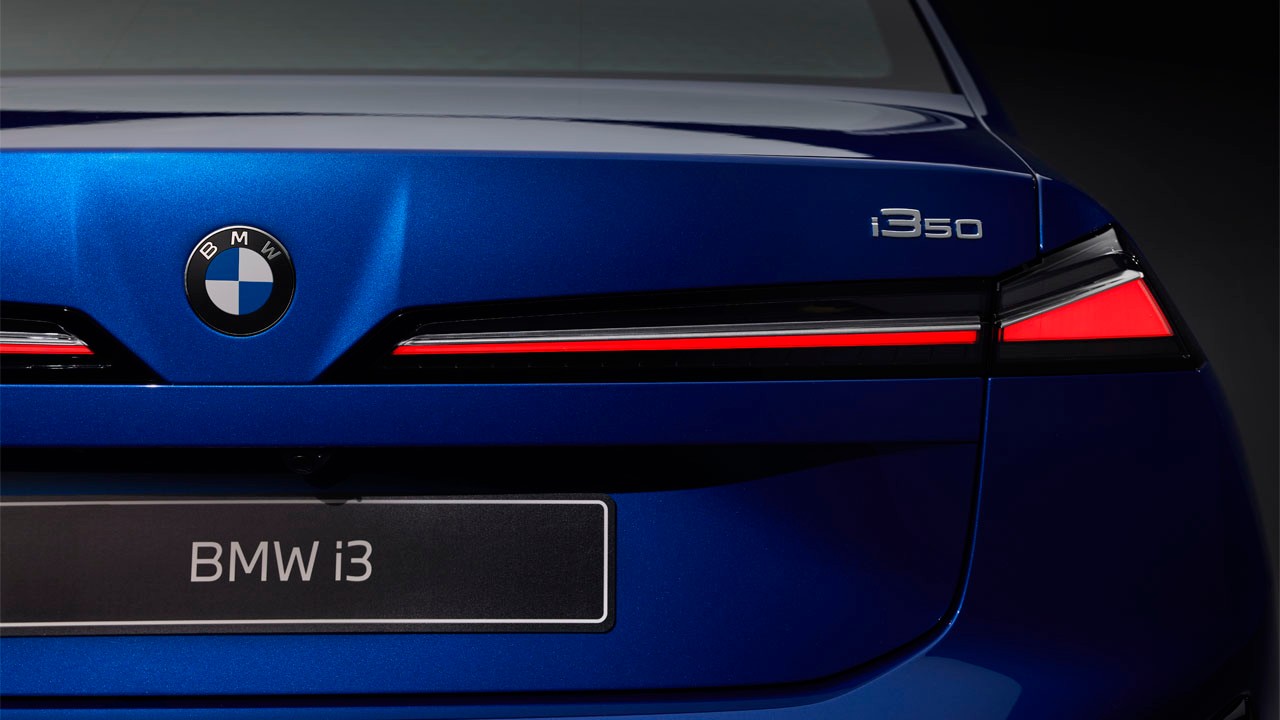
That wait is nearing its end. The German automaker is slated to debut the all-new BMW i3 (Electric Sedan) in mid-2026. While the "i3" badge returns, it has been reimagined as a sleek, performance-oriented sedan rooted in 3 Series heritage. Here is a comprehensive look at the specifications, range, and features we anticipate from this highly awaited launch.
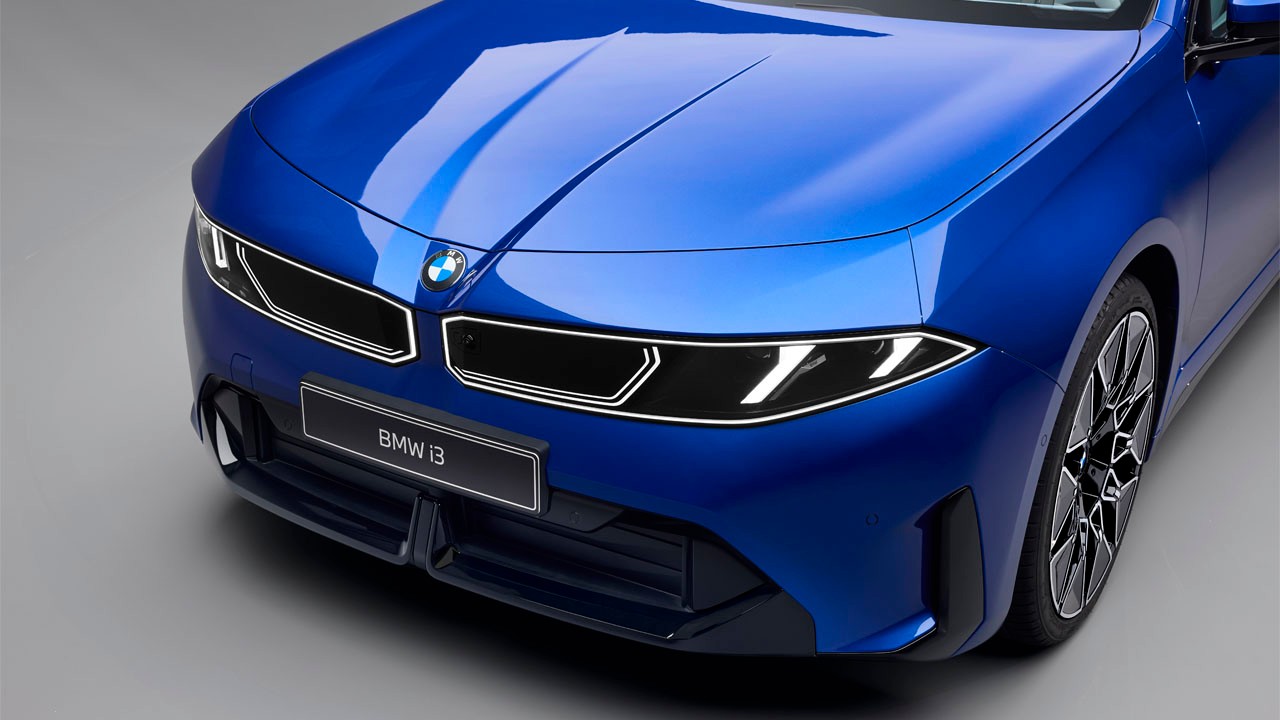
A New Identity: What is the 2026 BMW i3?
The reuse of the "i3" moniker may cause initial confusion, but the distinction is clear. While the original i3 was an avant-garde, carbon-fiber city hatchback, BMW is repurposing the badge for 2026 to represent all-electric counterpart to the 3 Series.
Positioned alongside its petrol-powered sibling (the G20) and the i4 Gran Coupe, the new i3 represents a significant leap forward. It will be among the first models to utilize BMW’s Neue Klasse platform—a bespoke electric architecture engineered to deliver superior range, rapid charging capabilities, and a more driver-centric performance.
Launch Date and Global Debut
According to current timelines from Munich, the BMW i3 (Electric Sedan) is scheduled for a global debut in mid-2026.
- World Premiere: Likely between May and July 2026.
- Market Availability: Expected to hit European and North American showrooms by late 2026 as a 2027 model year vehicle.
- India Launch: Usually follows 6-8 months after the global debut, so expect it in early 2027.
Powertrain and Mileage (Range)
Since this is based on the Neue Klasse architecture, the efficiency numbers are expected to be class-leading. While BMW is keeping the final numbers under wraps, here is what industry experts are predicting:
- Battery Options:
- Entry-level: 70-75 kWh battery pack (Targeting 400-450 km range)
- Long-range: 85-90 kWh battery pack (Targeting 550-600 km on a single charge)
- Variants:
- i3 eDrive35: Rear-wheel drive, single motor (approx. 280-300 bhp)
- i3 eDrive40: Rear-wheel drive, single motor (approx. 335-340 bhp)
- i3 M50 xDrive: Dual-motor, all-wheel drive (approx. 500+ bhp)
- Charging Speed: The Neue Klasse platform supports 800V architecture. This means the i3 will likely support DC fast charging up to 270-350 kW, allowing a 10% to 80% charge in just 18-20 minutes.
Key Features and Interior
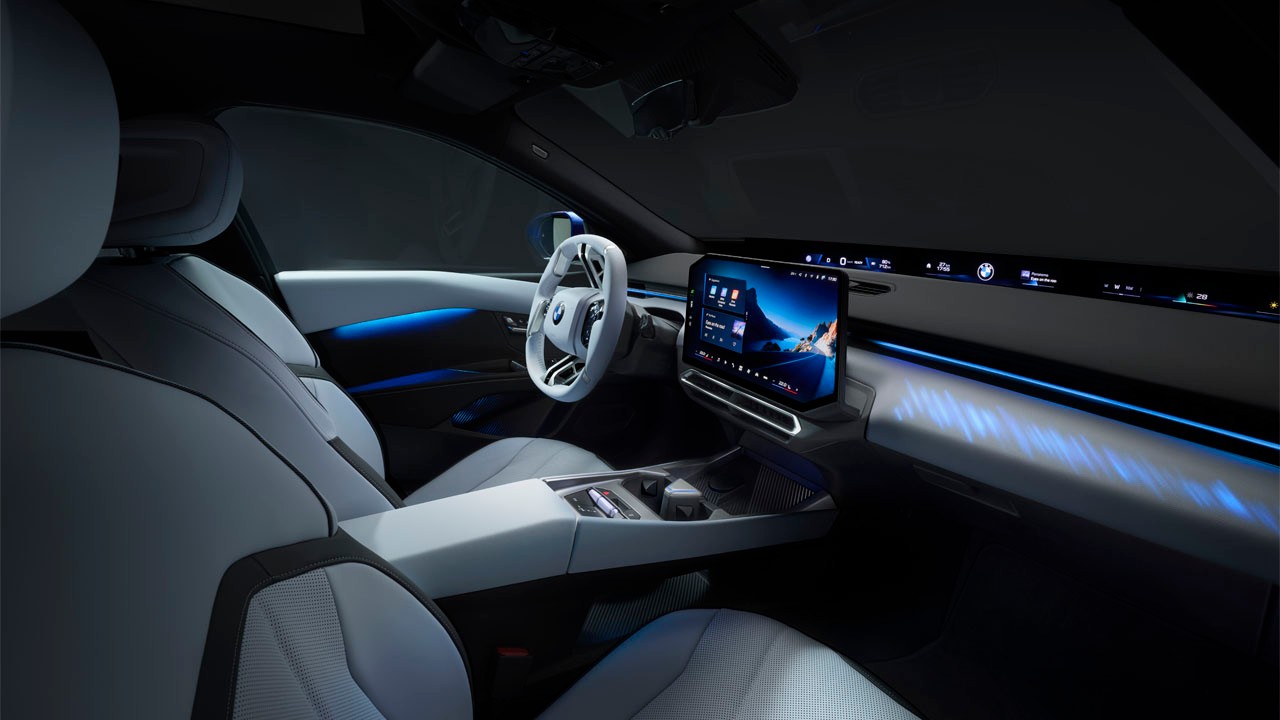
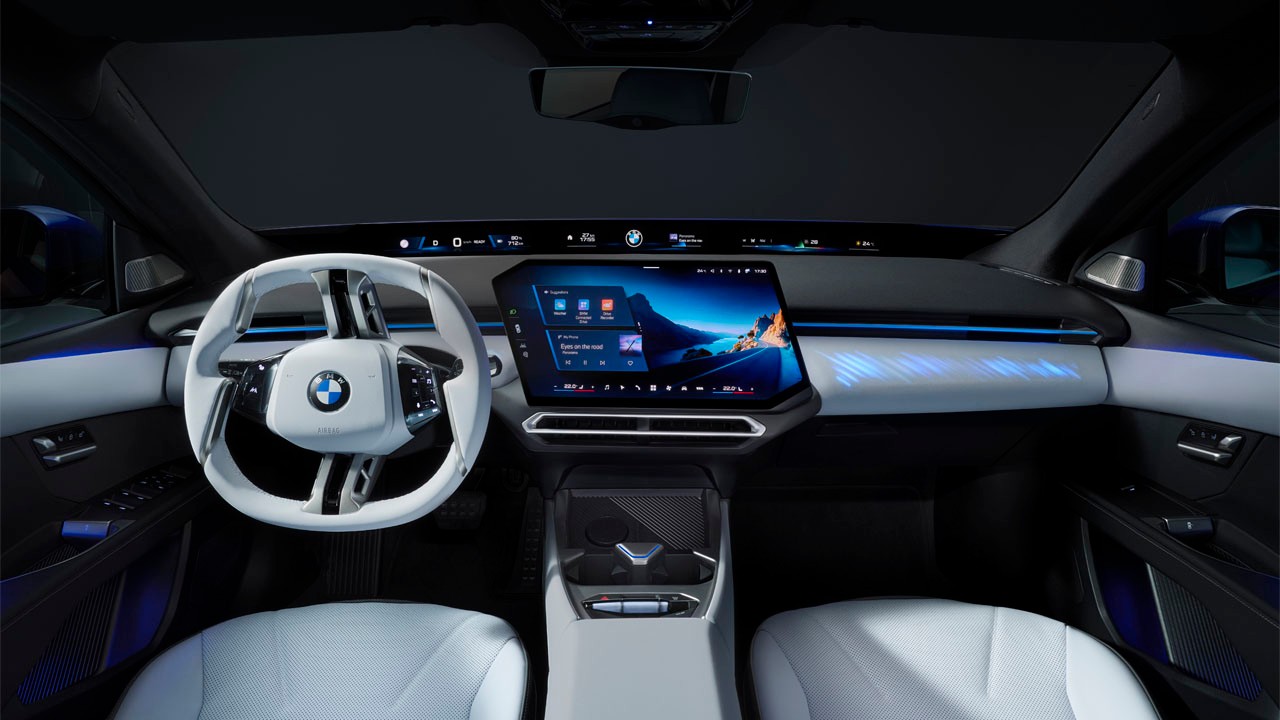
BMW is going all out with the tech inside the new i3. Since it’s an electric sedan, expect a cabin that blends minimalism with performance-oriented design.
- Panoramic iDrive Display: A single, curved display that stretches from behind the steering wheel to the center console. It will run on BMW’s latest Operating System X.
- “Panoramic Vision” Windshield: A new feature that projects information (like speed and navigation) across the entire width of the lower windshield—similar to a head-up display on steroids.
- Sustainable Materials: True to the “i” sub-brand, expect lots of recycled polyester, vegan leather options, and certified sustainable wood trims.
- Sound Experience: Hans Zimmer (the famous composer) is likely working on the signature electric sound for this model, giving it a futuristic yet emotional hum.
How It Compares: The Rivals
The new BMW i3 will enter a crowded but exciting segment. It will go head-to-head with:
- Tesla Model 3: The current segment leader.
- Polestar 2: The Scandinavian minimalist.
- BYD Seal: The value-for-money performance sedan.
- Mercedes-Benz CLA EV: (Expected around the same time).
The i3’s main advantage? Driving dynamics. BMW promises that unlike the Tesla Model 3 (which feels more like an appliance), the i3 will focus on "Sheer Driving Pleasure" with rear-wheel-drive balance and precise steering.
Eligibility Criteria (For EV Subsidies)
While the BMW i3 will be a premium luxury sedan (expected price range: ₹70 lakh – ₹1 crore), here is how the eligibility typically works for EVs in India:
- FAME II Subsidy: Generally, luxury EVs like BMW do not qualify for the direct FAME-II subsidies, as they are priced above the limit.
- Road Tax & Registration: The good news is that most Indian states offer a complete waiver on road tax and registration fees for pure electric vehicles. This can save you anywhere between ₹5 lakh to ₹10 lakh compared to a petrol BMW 3 Series.
- Income Tax: If you are buying this through a business/company, you can claim benefits under Section 80EEB (for interest on EV loans) and depreciation benefits.
Poora Review Hinglish Mein :
*Bhai log, sun lo! BMW wapas laa raha hai "i3" naam, lekin ab ye wo quirky hatchback nahi hai. Ye hai asli 3 Series ka electric version jo mid-2026 mein globally launch hoga.*
*Range ka tension mat lo—Neue Klasse platform hai, to 500-600 km ka range expected hai aur fast charging itni tez ki 20 minutes mein battery 80% ho jayegi. Andar se full futuristic: poora windshield pe navigation dikhega aur BMW ka driving experience alag hi hoga. Agar aap Tesla Model 3 soch rahe the, to iska wait kar lena. Ye asli "driver's car" wali EV hone wali hai. Bas price thoda premium rahega (70 lakh+), lekin road tax waiver mil jayega to bohot benefit hai. Keep an eye out for 2026!*
The Bottom Line
At the heart of the new i3’s appeal is a staggering leap in efficiency and performance. Launching in the 50 xDrive trim, the sedan features a dual-motor setup delivering 469 hp (345 kW) and 645 Nm of torque. This isn’t just about straight-line speed; the driving experience is governed by BMW’s new “Heart of Joy” central computer, which processes dynamics ten times faster than previous systems to ensure the car handles with the agility expected of a 3 Series.
“Simply Electric. Unmistakably BMW.”
Range anxiety also looks to be a thing of the past. Thanks to the 800V architecture and new cylindrical battery cells, the i3 boasts a massive 900 km (approx. 560 miles) WLTP range. Perhaps more impressive is the charging capability: when plugged into a 400 kW DC rapid charger, the i3 can recoup 400 km of range in just 10 minutes. For the modern driver, this bridges the gap between electric efficiency and the convenience of a traditional petrol stop.
Leave a Reply