If you’ve been monitoring Hyundai’s SUV portfolio, a strategic gap in the lineup has become increasingly apparent. Positioned between the entry-level Exter (the upright micro-SUV) and the Venue (the mainstream compact SUV) lies a vacuum. Enter the Hyundai Bayon.
Originally localized for the European market, this compact crossover is now gaining significant traction in Indian industry reports. The move is a logical expansion; the Bayon is expected to bridge the gap between the Exter and Venue, taking direct aim at the Maruti Suzuki Fronx—which currently dominates the "coupe-crossover" sub-segment.
Let’s analyze the essential details: launch timelines, mechanical specifications, projected efficiency, and the target demographic for this new entrant.
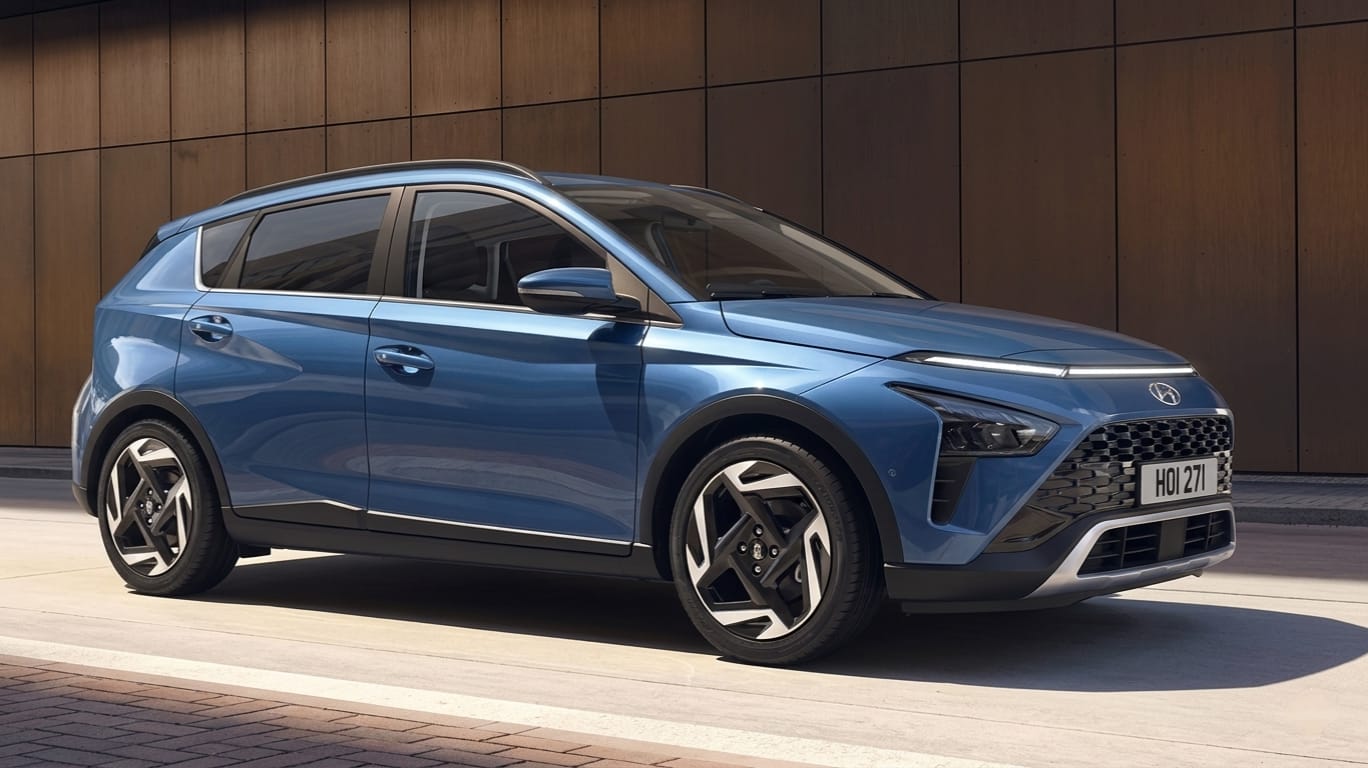
Think of the Bayon as Hyundai’s response to the rising demand for aerodynamic, low-slung crossovers. In contrast to the boxy silhouette of the Venue, the Bayon offers a sleeker profile—functioning as a premium hatchback with an elevated crossover stance. It utilizes the K1 platform shared with the i20 and Venue, ensuring a proven mechanical foundation.
Aerodynamic Profile: A distinctive, coupe-inspired roofline.
Aggressive Styling: Sharp character lines and prominent rear haunches.
Unified Lighting: Connected LED tail lamps for a modern aesthetic.
Expected Launch Date in India
While Hyundai has yet to confirm official dates, industry insiders suggest the following timeline:
Expected Unveil: Late 2025 (Potential debut at Auto Expo 2026).
Projected Launch: First half of 2026.
Strategic Timing: Hyundai is currently prioritizing the Creta EV and the next-generation Verna. The Bayon will likely serve as a secondary offensive once the Fronx’s market dominance requires a direct challenger. If you are currently cross-shopping the Fronx or Nexon, a 12-to-14-month wait may be warranted.
Engine & Specifications: The 1.2L Turbo Proposition
This is where the Indian spec differs from the global model. While Europe utilizes a 1.0L mild-hybrid, Hyundai is rumored to introduce a bespoke 1.2L turbo-petrol engine for the Indian market to optimize production costs and performance.
Projected Powertrain Specifications:
Component
Specification
Engine
1.2L, 4-cylinder, Turbo Petrol
Performance
~110-120 bhp / ~170-180 Nm
Transmission
6-speed Manual & 7-speed DCT
Entry Engine
1.2L Kappa NA (82 bhp) for base variants
Competitive Landscape:
Maruti Fronx: 1.0L Turbo (100 bhp)
Tata Nexon: 1.2L Turbo (118 bhp)
Hyundai Bayon: 1.2L Turbo (Estimated 115 bhp)
The Bayon's four-cylinder turbocharged unit is expected to offer superior refinement compared to the three-cylinder alternatives currently in the segment.
Fuel Efficiency (Estimated)
Hyundai is well aware that "mileage" remains a primary localized KPI. Based on existing platforms, here are the realistic expectations:
1.2L NA Petrol: ~18-19 km/l (comparable to the i20).
Market Verdict: While it may not match the class-leading frugality of the Fronx (21 km/l+), the Bayon's emphasis on turbocharged performance will likely appeal to the driving enthusiast.
Features: The Premium Quotient
Hyundai consistently leads in feature distribution, and the Bayon will likely follow suit. Expect a curated mix of "segment-firsts" and components shared across the portfolio.
Interior & Technology:
10.25-inch Infotainment: Shared with the premium Venue trims.
Digital Cockpit: Semi-digital instrument instrumentation.
Connectivity: Wireless smartphone integration and premium Bose audio.
Comfort: Ventilated front seats (a significant differentiator in this size class).
Safety & Driver Assistance:
Passive Safety: 6 Airbags likely standard across the range.
Stability: ESP, Hill-Start Assist, and high-definition parking cameras.
ADAS: Possible inclusion of Level 1 Driver Assistance (Forward Collision Warning).
If you intend to be an early adopter, ensure your documentation is prepared for the booking phase:
Identification: PAN, Voter ID, or other government-issued credentials.
Residency: Valid utility bills, passport, or lease agreements.
Financials: Recent salary statements or ITR for financing approval.
Ancillaries: Passport-size photographs and relevant loan mandates.
Eligibility & Booking Procedure
To qualify for registration, the primary owner must be 18+ years of age. For those seeking financing, a credit score of 750+ typically unlocks the best interest rates, though Hyundai Finance offers flexibility for scores above 650.
The 3nd-to-End Booking Process:
Digital/Dealer Inquiry: Access the Hyundai portal or visit a physical touchpoint.
Selection: Configure your preferred variant and color palette.
Reservation: Pay a refundable booking fee (typically ₹11,000 – ₹25,000).
Finalization: Complete RTO registration and insurance formalities upon stock arrival.
Quick Summary in Hinglish
Hyundai Bayon – Kya hai yeh?
Dosto, yeh gaadi Exter aur Venue ke gap ko fill karegi. Size aur look ke maamle mein yeh exact Maruti Fronx ka muqabla karegi.
Highlight: Isme naya 1.2L turbo engine milne ki ummeed hai, jo performance mein kaafi smooth hoga. Features ke maamle mein ventilated seats aur Bose sound system isse segment mein aage rakhenge. Agar aapko ek stylish crossover chahiye, toh 2026 ka intezar worth it rahega!
Final Verdict: Is the Bayon Worth the Wait?
For buyers who prioritize a crossover-inspired silhouette and demand the refinement of a turbocharged powertrain, the Bayon is a compelling reason to delay your purchase.
If you require a vehicle immediately, the Venue and Fronx remain the benchmarks. However, for those with a 12-to-14-month horizon, the Bayon promises to be the most aesthetically distinct and engaging driver’s car in its class.
Stay Tuned: This analysis will be updated as official technical specifications and launch timelines are confirmed by Hyundai.

Leave a Reply