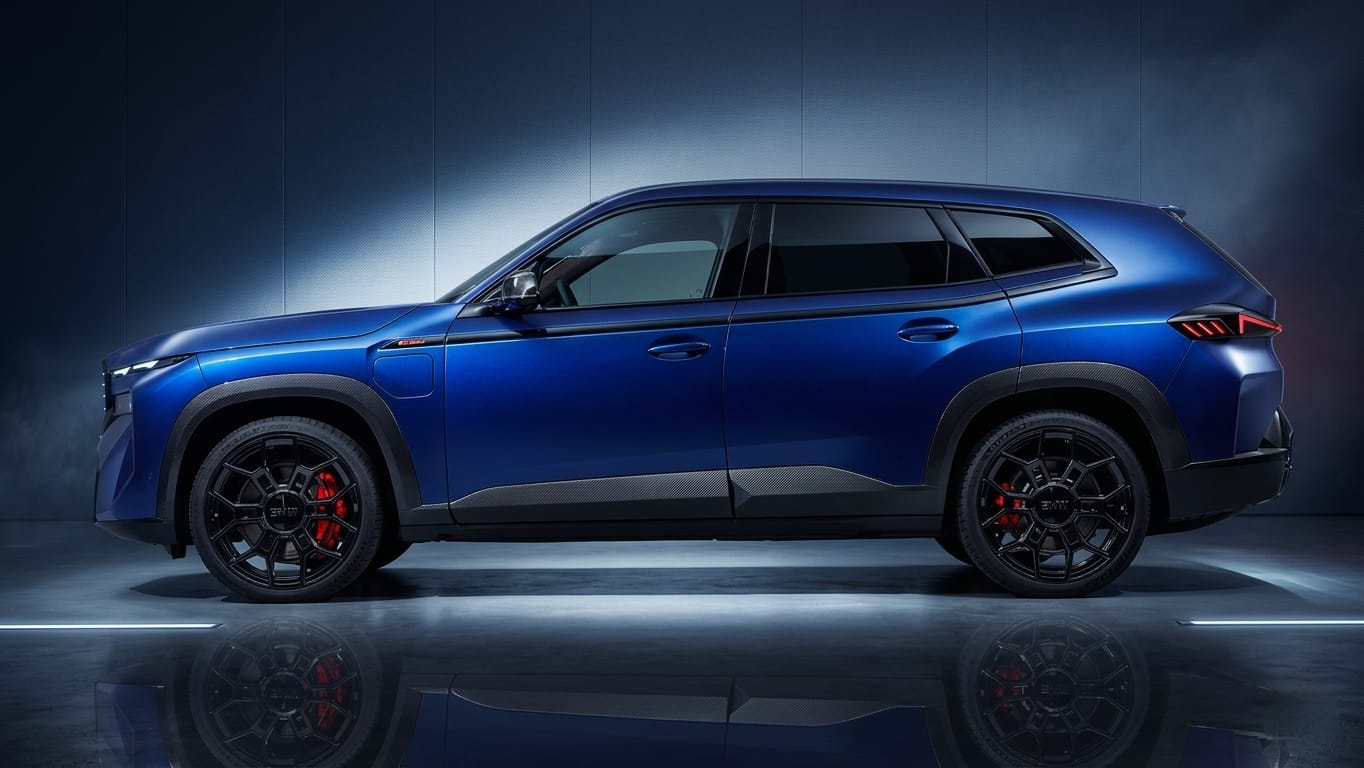
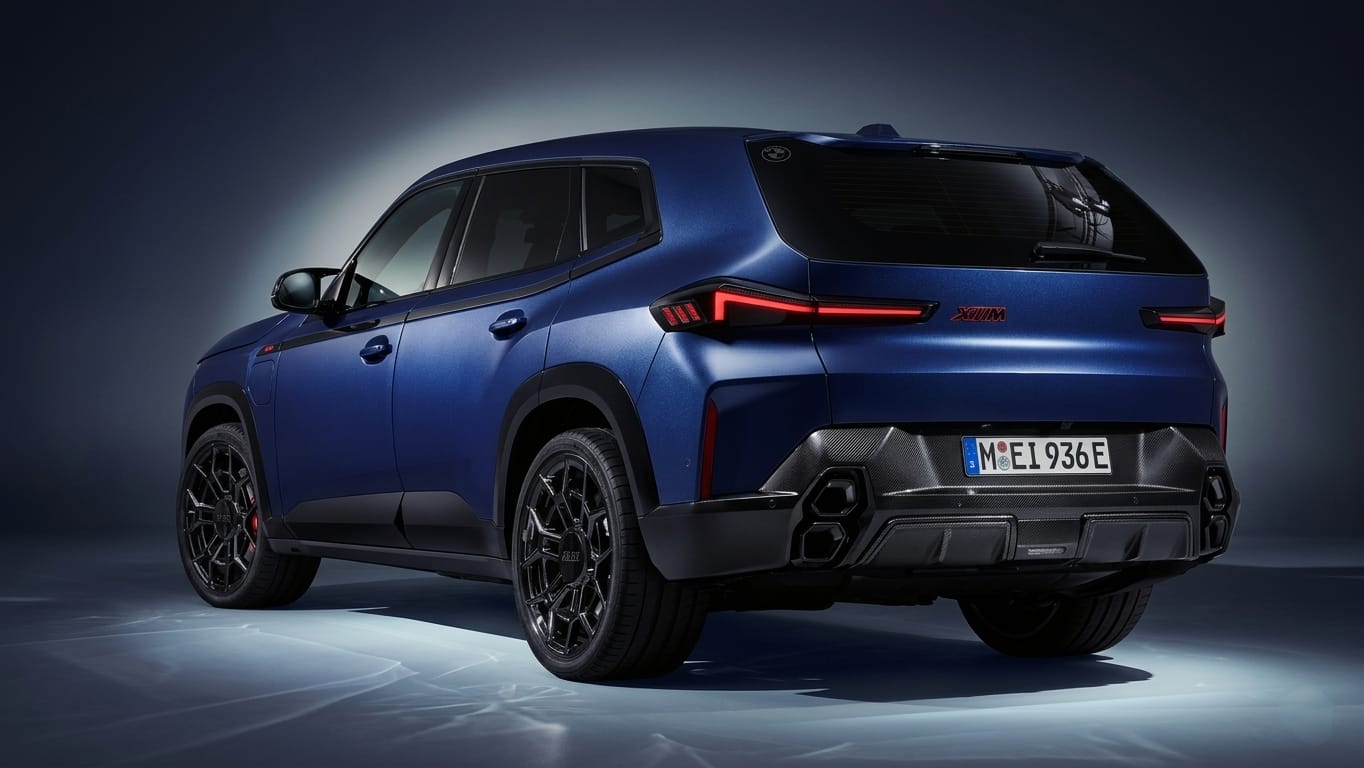
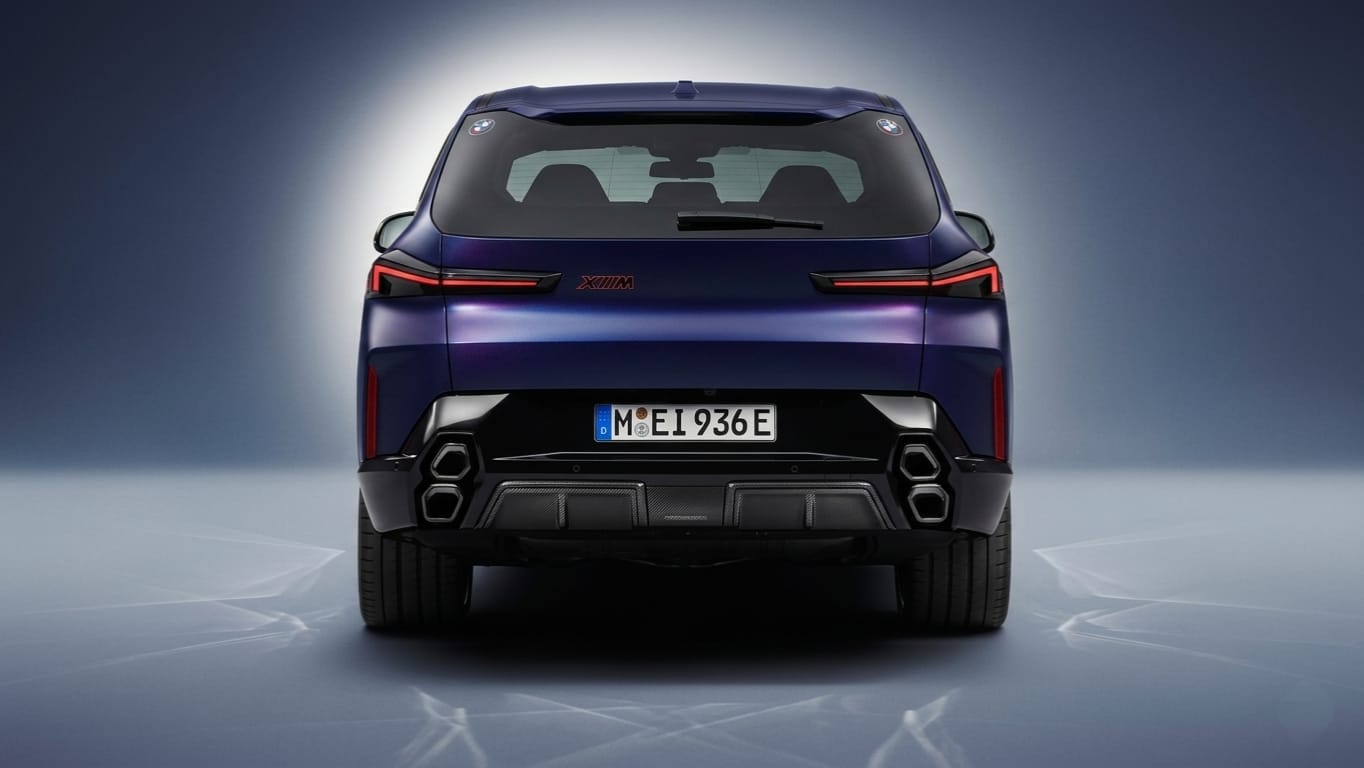
When BMW introduced the XM, its polarizing design sent shockwaves through the automotive industry. Yet, beneath the styling was a technical milestone—the first standalone hybrid powerhouse from the BMW M division. However, its tenure will be brief, as Munich is already charting a course to eliminate internal combustion from its flagship SUV.
By 2030, the XM's successor will skip hybridization entirely, transitioning into a fully electric, quad-motor powerhouse. Trading its signature V8 for instantaneous electric torque, this upcoming flagship signals a radical evolution for the brand. Here is a closer look at what to expect.
The current BMW XM uses a twin-turbo V8 paired with an electric motor(Label Red version pumps out 748 hp). But the successor? Completely different philosophy.
BMW M’s CEO, Frank van Meel, has already hinted that the next-gen high-performance flagship will ditch internal combustion entirely. Why?
Stricter Euro 7 emissions norms make V8s expensive to maintain.
Battery tech is improving fast—solid-state cells are coming.
Quad-motor setups offer torque vectoring that no mechanical AWD can match.
Think of it as an electric XM that handles like a sports car but looks like a rolling sculpture.
Projected Launch Date: When Will it Arrive
Model
Expected Launch
Production Timeline
Current BMW XM
2022–2028
End of lifecycle ~2028
XM Successor (Electric)
2030 (as 2031 model year)
Production starts late 2029
BMW typically takes 7-8 yearsper M flagship generation. The current XM will wrap up by 2028, and the new all-electric successor will arrive around 2030. Expect a concept car in late 2028.
Specifications: What the Quad-Motor Beast Will Pack
This isn’t a watered-down EV. BMW M is targeting hypercar territory.
Powertrain & Performance
Motors: Four electric motors (one per wheel)
Total Output: Estimated 1,000+ hp (Label Red version could hit 1,200 hp)
Torque: Instantaneous > 1,000 lb-ft
0-100 km/h (0-62 mph): ~2.5 seconds
Top Speed: 180–200 mph (governed, but maybe unlockable)
Battery & Range (BMW XM Successor)
Battery Type: Gen6 BMW round cells or solid-state
Usable Capacity: ~120–150 kWh
Estimated Range (WLTP): 500–600 km (310–373 miles)
Charging: 350–400 kW DC. 10% to 80% in ~12–15 minutes.
Real-world mileage note: Aggressive driving will drop range to ~300 km. But that’s the price of 1,000+ hp.
Key Features We Expect(BMW XM Successor)
Torque vectoring per wheel (drift mode, but smarter)
Active roll stabilization (no body roll despite 2.5 tons weight)
Rear-wheel steering (helps parking and high-speed stability)
Giant carbon-ceramic brakes (standard, because 1,000 hp needs to stop)
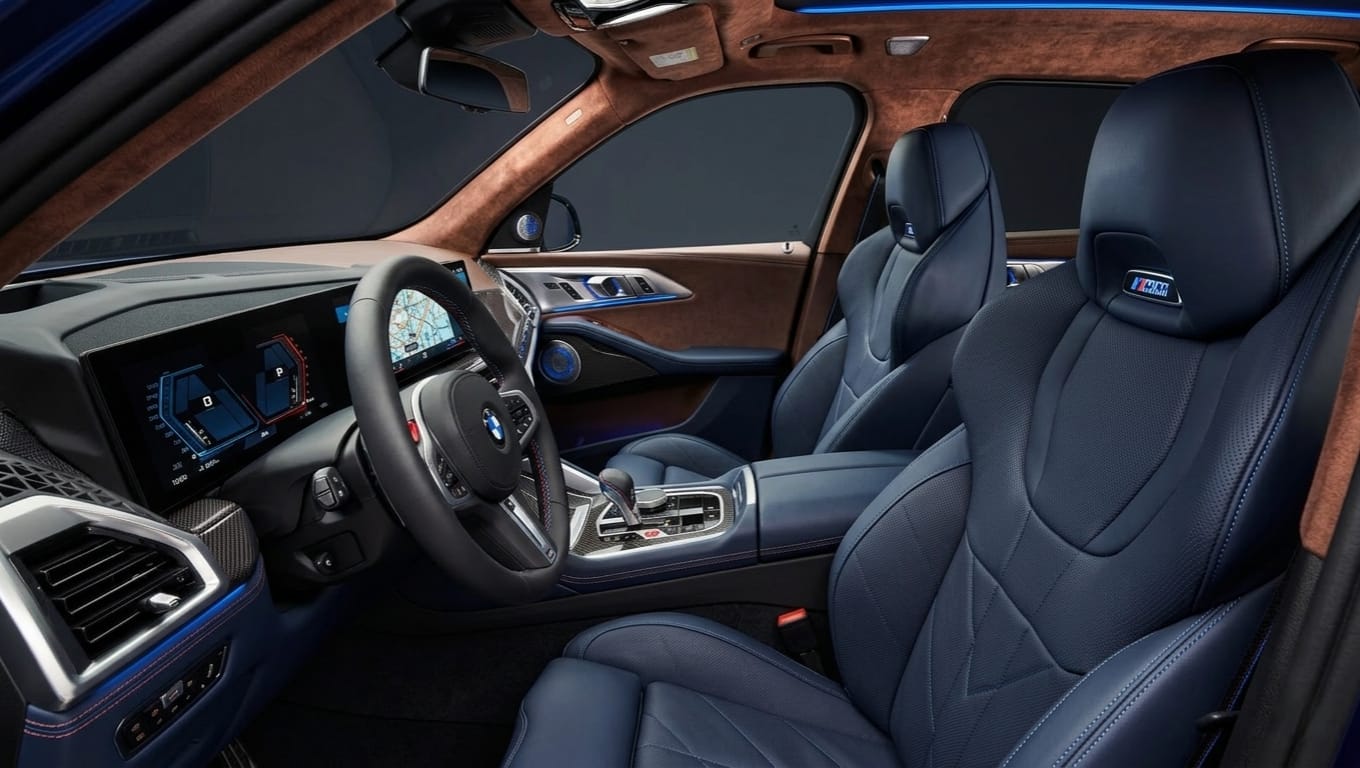
Digital cockpit with M-specific HUD showing g-forces, lap times, thermal management
Exterior: Smaller kidney grille? Unlikely. It will still be bold, maybe even wilder.
How Will BMW M Keep the “M Feeling” Without Engine Noise?
This is the million-dollar question. BMW M is working on:
Characteristic motor sounds (not fake V8 noise, but sci-fi turbine-like whine)
Boost paddles that simulate gear shifts (not real, but tactile feedback)
“M Bang” – a sudden torque spike when you floor it
No, it won’t sound like a V10 M5. But BMW knows their fans want drama. They’ll find a way.
Important Documents & Approvals Needed (For India & Europe)
If you’re planning to buy this in a market like India (or even Europe post-2030), keep these in mind:
Battery safety certification (AIS-048 Rev 2 in India)
Type approval for EVs (different from ICE cars)
Homologation papers from BMW directly – since it’s a halo product, BMW will handle it, but import duties will be massive.
Insurance with EV-specific coverage (battery replacement costs are high)
No RTO emission tests because… well, no tailpipe.
Eligibility Criteria: BMW XM Successor
This isn’t a mass-market EV. The XM successor will be:
Limited production (maybe 2,000–3,000 units/year globally)
Invite-only for top M customers in some markets
Price: Estimated 200,000–250,000 (Rs 1.8–2.2 crore in India before taxes)
In India, you’ll likely need to:
Have a confirmed booking with a BMW dealership that handles M cars.
Show proof of charging setup (11 kW or 22 kW at home).
Be ready for 100%+ import duty (CBU route).
Short Note in Hinglish (BMW XM Successor)
Bhai, sun le. BMW XM ka agla version 2030 tak aayega, par yeh V8 waala nahi hoga. Full electric hoga – chaar motor, 1000+ hp, aur 0-100 bas 2.5 second mein. Range milegi kareeb 500 km, lekin agar full pull maarega toh 300 km bhi mushkil.
Sound nahi aayegi, par BMW kuch naya artificial sound laa raha hai. Gaadi costly rahegi – crore mein. Launch India mein late aayega (2031 ke aas paas). Agar tu waiting hai purani XM ki, toh abhi soch le – 2030 tak sirf electric hi milega M flagship mein.
Parting with the visceral roar of a V8 is a significant shift for purists, yet BMW M appears uniquely equipped to prove that electric propulsion can deliver genuine excitement. Backed by next-generation battery technology and advanced quad-motor torque vectoring, the groundwork for a dominant electric flagship is already laid.
The upcoming XM successor will undoubtedly abandon acoustic tradition, but its straight-line performance is poised to rewrite the division's benchmarks. Ultimately, this raises the ultimate question: can a silent powerhouse truly encapsulate the soul of the "M" badge?
How do you feel about BMW taking its flagship SUV completely electric? Drop your thoughts in the comments.

Leave a Reply