India has scripted a spectacular new chapter in its manufacturing story. In 2025, the nation officially overtook Germany to become the world’s third-largest car producer, trailing only China and the United States.
This historic milestone is not just a statistic—it reflects India’s growing dominance in the global automotive landscape, driven by skyrocketing domestic demand, record-breaking exports, and aggressive government policy support.
Whether you are a hardcore auto enthusiast or a proud Indian wondering what this achievement means for you—from upcoming car launches to massive job creation—this article breaks it all down in simple terms.
📈 The Big Milestone: world’s third-largest car producer
The global data tells a compelling story. According to the International Organization of Motor Vehicle Manufacturers (OICA), global vehicle production reached 96.4 million units in 2025, registering a 4% growth over the previous year.
Global Production Leaderboard (2025)
China: The undisputed leader, producing over 34.5 million vehicles.
United States: Secured the second spot with 10.2 million units.
Japan: Held onto third place with 8.4 million vehicles.
India: Surged into fourth place globally, producing 6.5 million units (an impressive 8% growth year-on-year).
Germany: The long-standing European powerhouse slipped to fifth, producing 4.2 million vehicles.
The Passenger Vehicle Milestone: Data from the Society of Indian Automobile Manufacturers (SIAM) shows that India manufactured 53.8 lakh passenger vehicles in calendar year 2025. Out of these, 44.9 lakh were sold domestically and 8.6 lakh were exported.
Union Minister for Road Transport and Highways, Nitin Gadkari, officially confirmed that India's new vehicle sales hit a record high of 5.517 million units (combining passenger and commercial vehicles), marking a 6% increase from the previous year. The Indian market has now surpassed Japan for four consecutive years in total sales volume.
🚀 What Drove India’s Meteoric Rise?
This rapid ascent didn’t happen overnight. Several powerful forces came together to propel India past European and Asian automotive giants:
Explosive Domestic Demand: India’s growing middle class and rising disposable incomes fueled record sales. Passenger vehicle sales grew by 5% to 44.89 lakh units, while commercial vehicle sales rose by 8% to 10.27 lakh units.
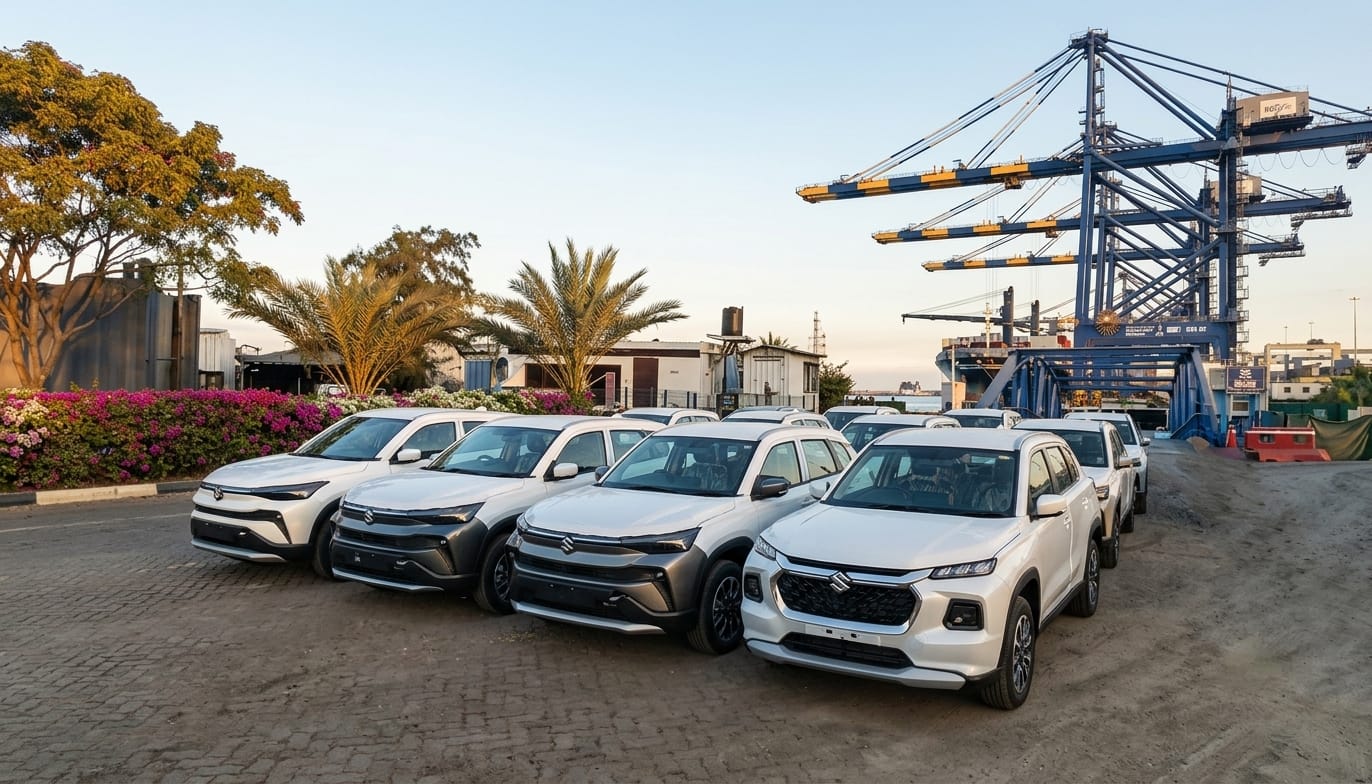
Record Exports: Indian-made cars are finding incredible acceptance worldwide. Automobile exports surged by 19% to over 5.3 million units, driven by strong demand for passenger vehicles and two-wheelers in international markets.
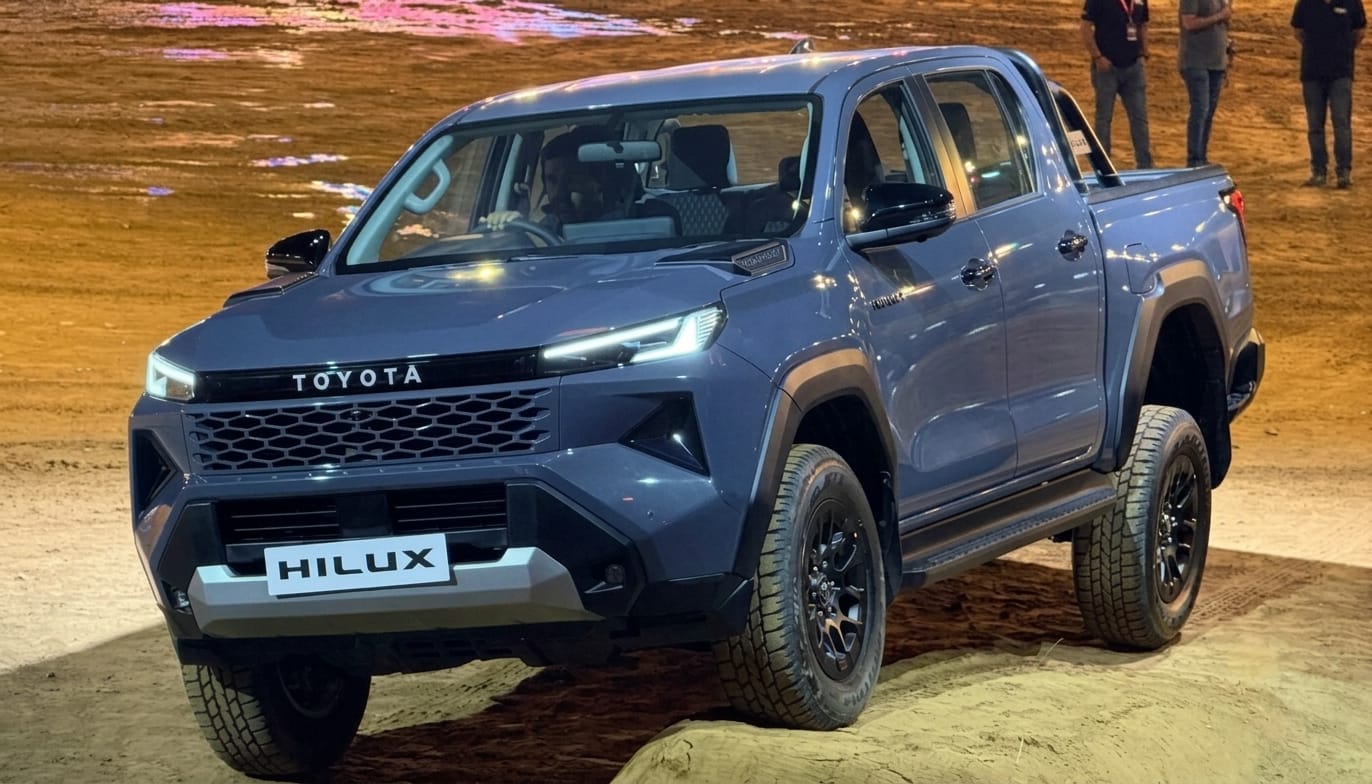
Global OEM Confidence: Major automakers are treating India as a primary hub. Suzuki has chosen India as the global launchpad for its first electric model, the e-Vitara, which will be exported to over 100 countries. Concurrently, Toyota has announced a $1.9 billion investment to raise its India capacity to 1 million units by 2030.
⛽ Fuel Economy & Vehicle Features: world’s third-largest car producer
Increased production volumes and intense market competition are driving down manufacturing costs while rapidly increasing car quality.
Indian Car Segment Breakdown (2025–2026)
Car Segment
Typical Mileage (Petrol)
Typical Mileage (Diesel)
Key Features to Expect
Entry-Level Hatchback(e.g., Maruti Alto)
20-23 km/l
N/A
Basic safety features, highly affordable pricing
Premium Hatchback(e.g., Hyundai i20)
18-20 km/l
23-25 km/l
Touchscreen infotainment, automatic climate control
Compact SUV(e.g., Maruti Brezza)
17-20 km/l
23-25 km/l
Sunroof, 360-degree camera, connected car tech
Mid-Size Sedan(e.g., Honda City)
16-18 km/l
23-25 km/l
Premium leather seats, cruise control, ADAS features
Electric Vehicle (EV)(e.g., Tata Nexon EV)
7-8 km/unit
N/A
Zero tailpipe emissions, fast charging, low running costs
What to look for in a modern car today:
Safety First: Look for models equipped with 6 airbags, Electronic Stability Control (ESC), and a 4-star or 5-star Global NCAP rating.
Connected Features: Large touchscreens, wireless Android Auto/Apple CarPlay, and localized voice commands are becoming standard.
Premium Comfort: Ventilated seats, automatic headlamps, and rain-sensing wipers are rapidly trickling down to mid-range variants.
🏭 The Policy Boost: PLI & PM EDRIVE Schemes
The Government of India’s policy push has been the cornerstone of this manufacturing success.
The PLI Scheme (Outlay: ₹25,938 crore): Offers financial incentives ranging from 8% to 18% of incremental sales value for advanced automotive technologies and EVs. It aims to generate over 7.5 lakh direct jobs.
PM EDRIVE Scheme (Outlay: ₹10,900 crore): Actively supports electric two-wheelers, three-wheelers, and heavy commercial electric vehicles while heavily subsidizing charging infrastructure setup.
📋 Industry Insigh: world’s third-largest car producer
For entrepreneurs, component manufacturers, and global OEMs looking to enter India's booming ecosystem, the entry process involves specific structural guidelines.
✅ Key Eligibility Criteria
Company Registration: Must be incorporated under the Companies Act, 2013.
Industrial License: Required from the DPIIT under the Industries (Development and Regulation) Act, 1951.
Minimum Investment (PLI): New investors require a minimum investment of ₹50 crore, while existing legacy automakers require ₹125 crore.
Environmental Clearances: Mandatory “Consent to Establish” and “Consent to Operate” from the State Pollution Control Board and MoEF&CC.
📄 Essential Documentation Checklist
[ ] Certificate of Incorporation, MoA, and AoA
[ ] Industrial License from DPIIT
[ ] Environmental Clearance Certificate
[ ] Land Title/Lease Documents
[ ] Power & Water connection approvals from state municipal boards
[ ] Technology Transfer Agreement (if collaborating with foreign partners)
[ ] Corporate PAN Card and GST Registration Certificate
📝 Step-by-Step Application Process for Incentives
Prepare the Project Report: Outline the investment plan, production capacity targets, and technology details.
Application Fee: Process payment (₹25,000 for MSMEs / ₹1,00,000 for large enterprises).
Verification & MoA: Await MHI document verification and sign the formal Memorandum of Agreement detailing milestones.
Incentive Disbursement: Submit quarterly/annual performance reports to receive direct bank credits based on targets met.
🌟 Poora Review Hinglish Mein:
Doston, yeh hum sab ke liye proud moment hai! 🎉 India ne Germany aur Japan ko bhi peeche chhod diya hai. Ab hum duniya ke number 3 sabse bade car producer ban gaye hain. China aur America ke baad ab seedha India ka number hai. Gadkari ji ne khud confirm kiya hai—aur government ka plan hai ki aane wale saalon mein humein number one banna hai.
Kyun hui itni badi achievement? 3 Bade Reasons:
Bahut zyada sales: Indian buyers ab dil kholkar gaadiyan le rahe hain.
Sarkari support: PLI aur PM EDRIVE schemes se companies ko tagda fayda mil raha hai.
Aapka kya faida? Market mein competition badhega toh car prices control mein rahenge, naye global models jaldi India aayenge, mileage behtar milegi, aur premium features ab budget cars mein bhi milenge. Saath hi, is growth se lakhon nayi jobs generate ho rahi hain. To yeh sirf numbers nahi hai—yeh India ke economic powerhouse banne ki asli kahani hai! 🇮🇳
Jai Hind!
Disclaimer: All statistics and scheme details are compiled from official industry data released by SIAM, OICA, and the Ministry of Heavy Industries. Readers are advised to check official government portals for real-time updates before making business layout or investment decisions.
Leave a Reply