A significant shift is underway in the Indian luxury car market. While Mercedes-Benz has historically led the segment, the recently concluded FY26 financial year marked a turning point in the electric vehicle arena. BMW has officially overtaken its rival in luxury EV sales, signaling a clear change in consumer preference. Although Mercedes remains the volume leader across internal combustion models, the EV surge suggests that the "blue-and-white propeller" is currently the preferred choice for early adopters of premium electric mobility.
The Big Shift: BMW’s Electric Surge in Q4 FY26
According to data from the Indian Vahan portal, the final quarter of FY26 (January to March 2026) was a blockbuster period for BMW .
BMW Q4 Sales: 4,944 units (Including EVs and ICE).
Mercedes Q4 Sales: ~4,860 units.
The EV Difference: BMW registered 1,047 electric vehicles in Q1 2026 alone, compared to Mercedes’ ~241 units .
This marks the first time in nearly 13 years that BMW has beaten Mercedes in a quarterly sales race in India. While Mercedes managed to hold onto the annual crown for the entire FY26 (18,160 units vs. BMW’s slightly lower share), the momentum is clearly with the electric future .
The Winning Lineup: BMW EV Specifications & Mileage
Why did BMW win? They played the numbers game smartly. While Mercedes focuses on ultra-luxury high-end EVs (like the EQS), BMW flooded the market with options across price points. Here are the top BMW EVs that crushed the competition in FY26 :
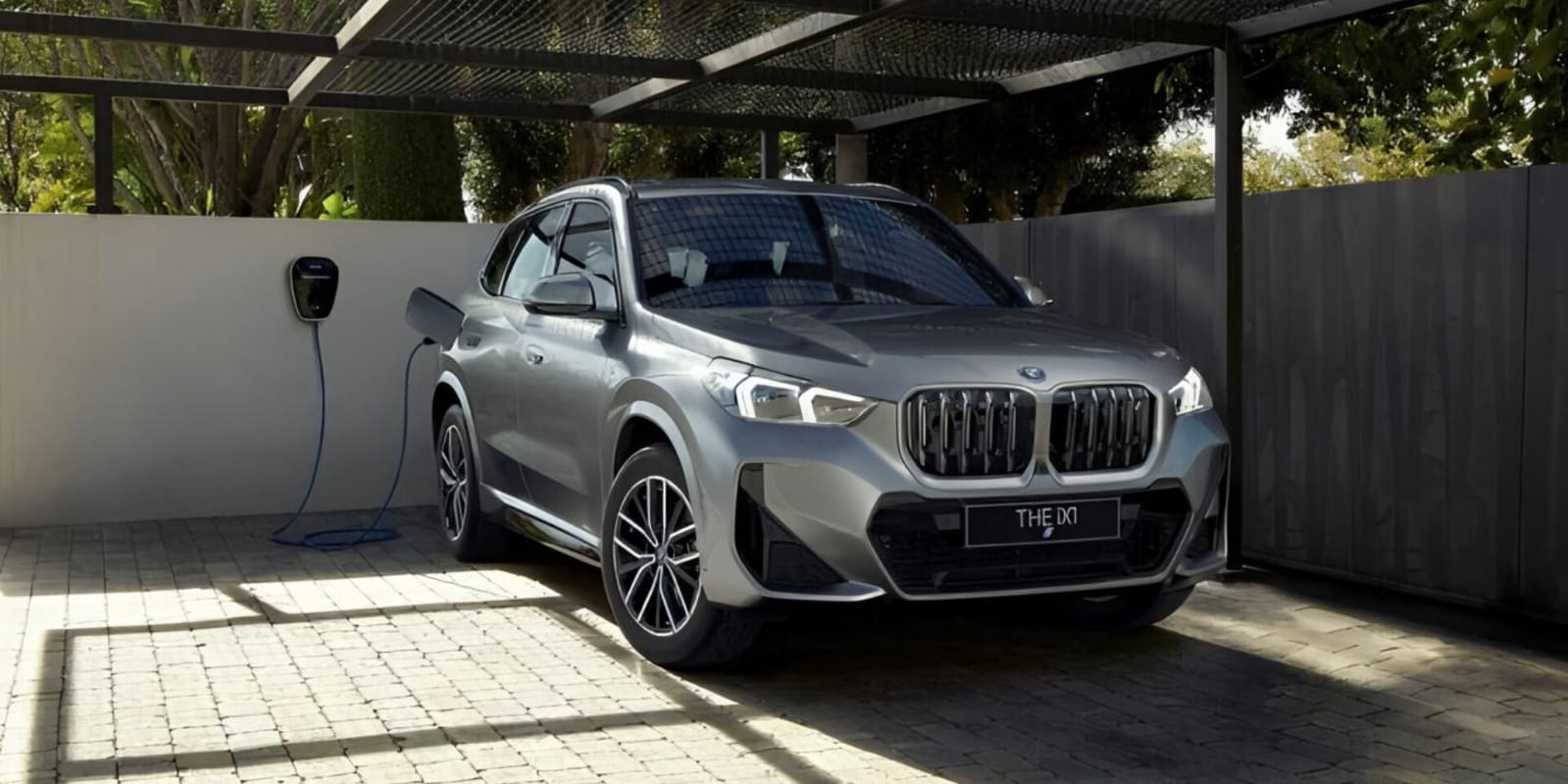
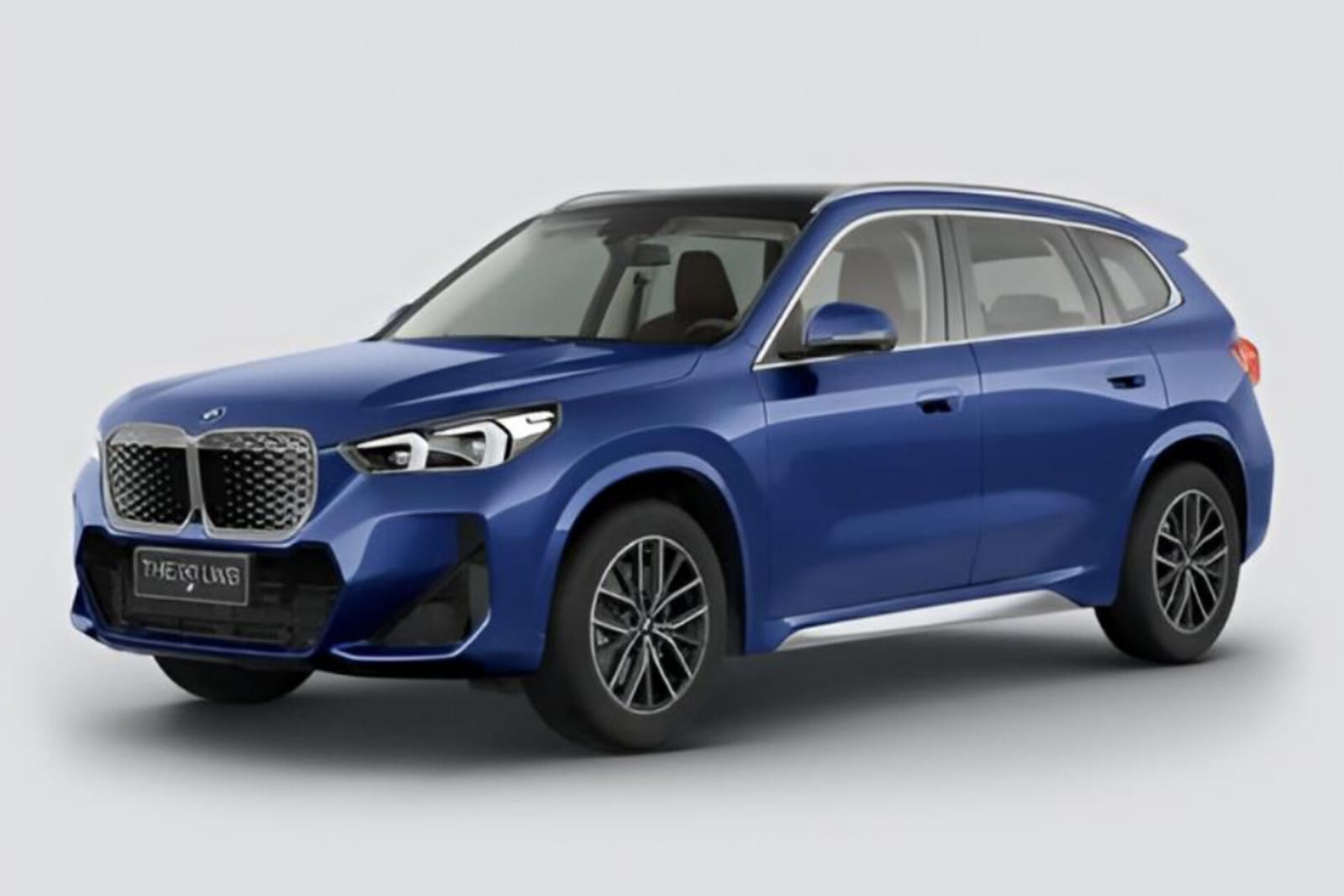
1. BMW iX1 (The Volume King)
The most affordable luxury electric SUV in India right now. It brought young buyers into BMW showrooms.
Price: Starting at approx. ₹49.9 Lakh – ₹66.9 Lakh (ex-showroom)
Mileage/Range: 417 – 440 km/charge
Battery: 66.4 kWh
Feature Highlight: All-Wheel Drive (AWD) available, spacious sunroof, and a massive dual-screen setup.
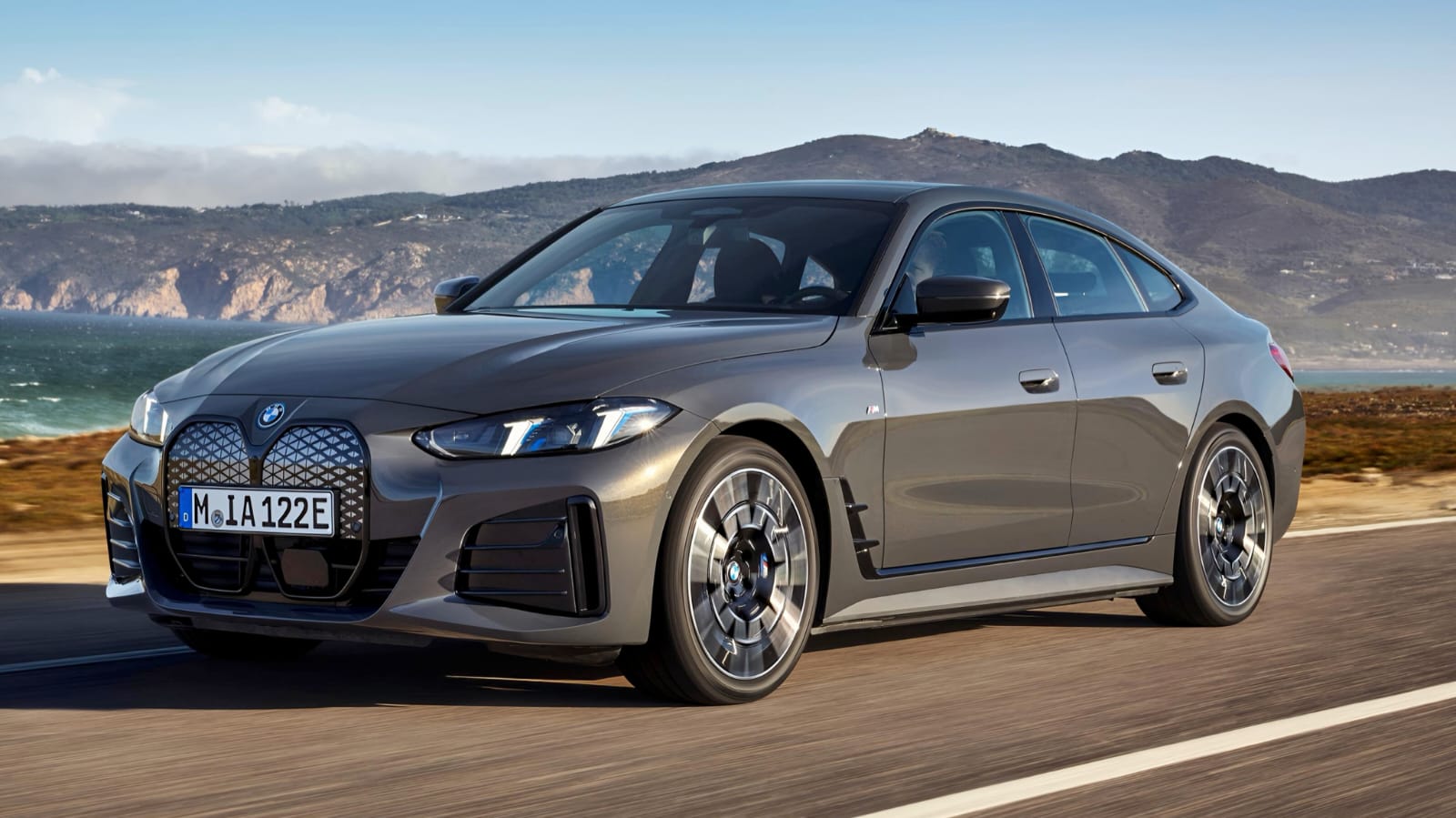
2. BMW i4 (The Stylish Performer)
A four-door Gran Coupe that looks like a sports car but drives like a silent rocket.
Price: ₹72.5 Lakh – ₹77.5 Lakh
Mileage/Range: Up to 590 km/charge (Best in class for this price)
Battery: 83.9 kWh
Feature Highlight: 0-100 kmph in just 5.7 seconds. It’s the perfect car for the self-driving owner who loves speed .
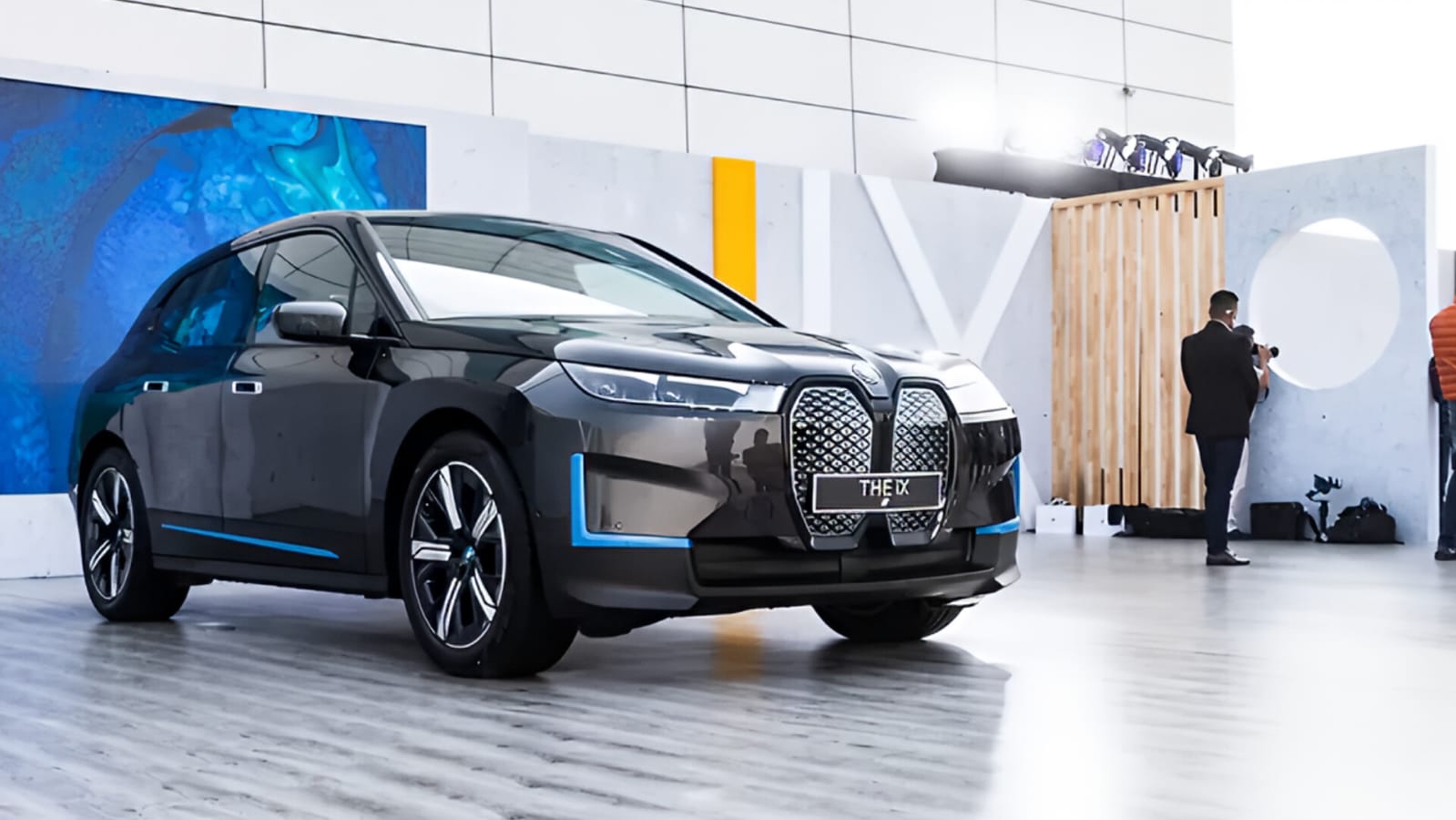
3. BMW iX (The Tech Flagship)
The SUV that looks like it came from the future. It is heavy, luxurious, and incredibly quiet.
Price: ₹1.21 Cr – ₹1.4 Cr
Mileage/Range: 575 – 635 km/charge
Battery: 111.5 kWh
Feature Highlight: The curved display and hexagonal steering wheel make it a tech-lover’s paradise .
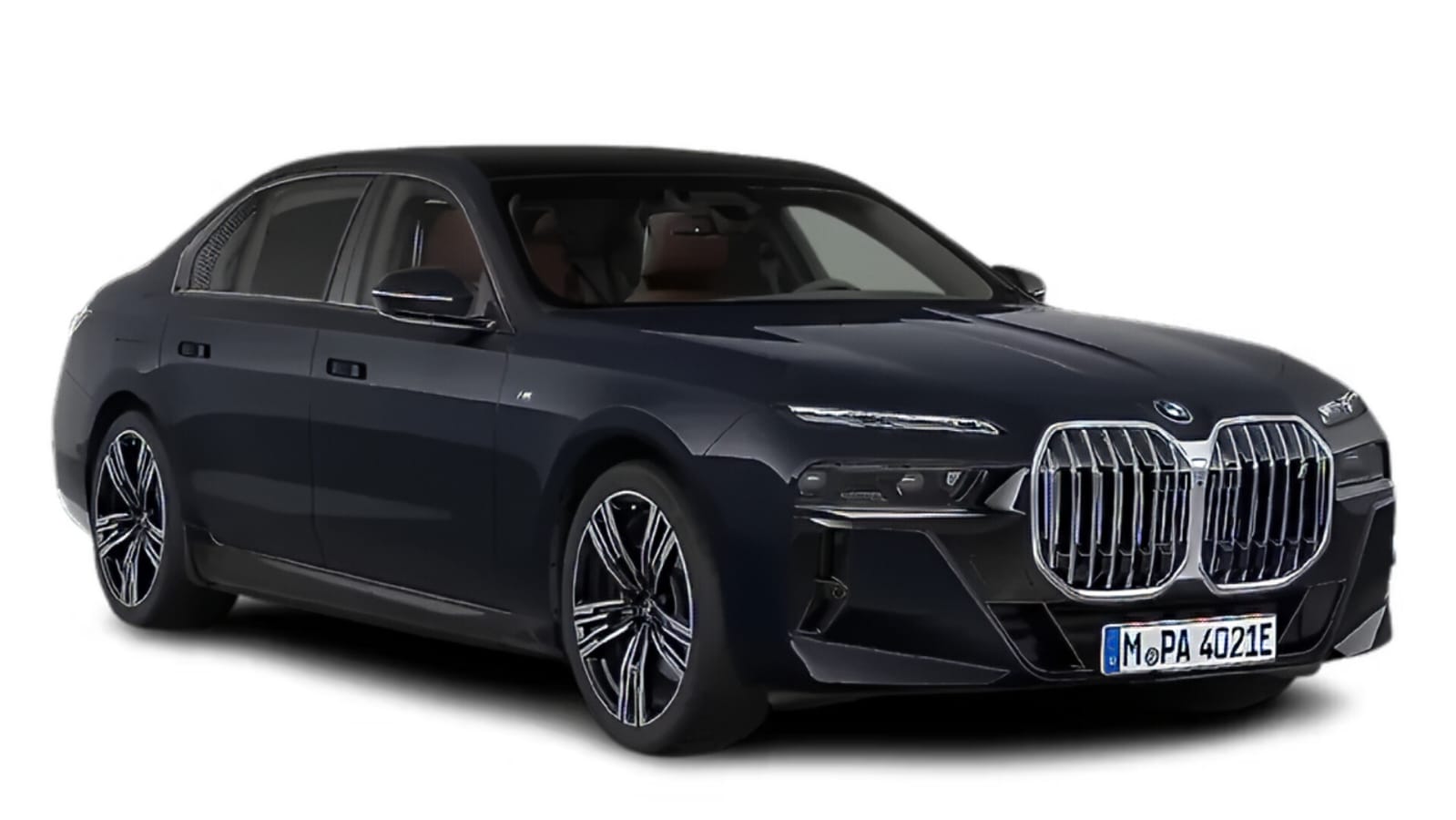
4. BMW i7 (The Ultimate Luxury)
This is the "Rolls-Royce" of BMW EVs. Targeted at chauffeured owners.
Price: ₹2.05 Cr+
Mileage/Range: 625 km/charge
Feature Highlight: The famous 31-inch rear theatre screen and incredibly plush rear seats.
Key Features That Drove the Win
BMW didn't just sell cars; they sold a package that appealed to the Indian mindset. Here is why buyers chose BMW over the Three-Pointed Star in FY26:
Product Availability: Unlike some competitors facing supply chain issues, BMW had “ready-to-deliver” cars. The waiting period for BMW EVs is significantly lower than Mercedes models .
The “Petrol to EV” Bridge: BMW EVs still feel like BMWs. The steering is heavy, the acceleration is punchy, and the build quality is solid. They didn’t overcomplicate the design.
Charging Infrastructure: BMW has aggressively pushed its “BMW Charging Network” with partners in India, reducing range anxiety for city users.
Eligibility Criteria: Who is buying these cars?
If you are reading this and wondering if you fit the "luxury EV buyer" demographic in India, here is the breakdown of eligibility (Not government eligibility, but market eligibility):
The HNI (High Net Worth Individual): You have a high disposable income and already own a luxury SUV. You are buying the i7 or iX for the “experience” of silence.
The Corporate Executive: Companies are increasingly offering luxury EVs as part of executive perks due to the low running cost compared to petrol.
The Early Adopter: You live in a metro city (Delhi NCR, Mumbai, Bangalore, Hyderabad) with good charging infrastructure. You want the latest tech and the instant torque.
Important Documents for Purchase (The Process)
Buying a luxury EV in India is slightly different from buying a Maruti Suzuki. Here is the "Apply Process" simplified:
Booking: Visit a BMW dealership (called “BMW Welt” or “Studio”) or book online with a token amount (usually ₹1-2 Lakhs).
Document Checklist:
Pan Card & Aadhar Card (KYC).
Address Proof.
Specific to EV: Some states require proof of existing parking (to ensure you have a place to install a charger).
Loan Process: Banks offer green loans for EVs at slightly lower interest rates (usually 0.25% to 0.50% less than ICE vehicles).
Subsidy Check: While luxury EVs (above ₹30 Lakhs) don’t get FAME-II subsidies, some state governments (like Delhi and Maharashtra) offer waiver on Road Tax and Registration fees. This saves you lakhs of rupees!
Home Charger Installation: Post-purchase, BMW sends a technician to install the fast-charging wall box at your home (usually included in the price).
Poora Review Hinglish Mein:
Bhai, scene kya hai?
Simple hai. BMW ne electric game mein Mercedes ko picha chod diya. Mercedes abhi bhi total numbers mein aage hai (kyunki unke diesel/petrol zyada bikte hain), lekin jo banda naya paisa wala hai, jo future dekhta hai, wo BMW ki electric cars le raha hai. iX1 ne to mahaul bana diya ₹50 lakh me luxury EV dekar.
Thoda ground reality: BMW ne zyada gaadiyan rakhi stock me, aur unki range (mileage) bhi zyada hai. Agar aapko stylish look chahiye to i4 lo (sports car jaisi), agar family hai to iX1 best hai. Mercedes ka EQB thoda pichda raha race mein.
Bottom line: Agar aapke paas budget hai aur gaadi leni hai abhi, to BMW ka showroom jaakar i4 ya iX1 ka test drive lelo. Silent drive ka maza hi kuch aur hai. BMW ne 2026 me electric ka 'Baap' banne ka award jeet liya, kam se kam sales mein toh.
Leave a Reply