
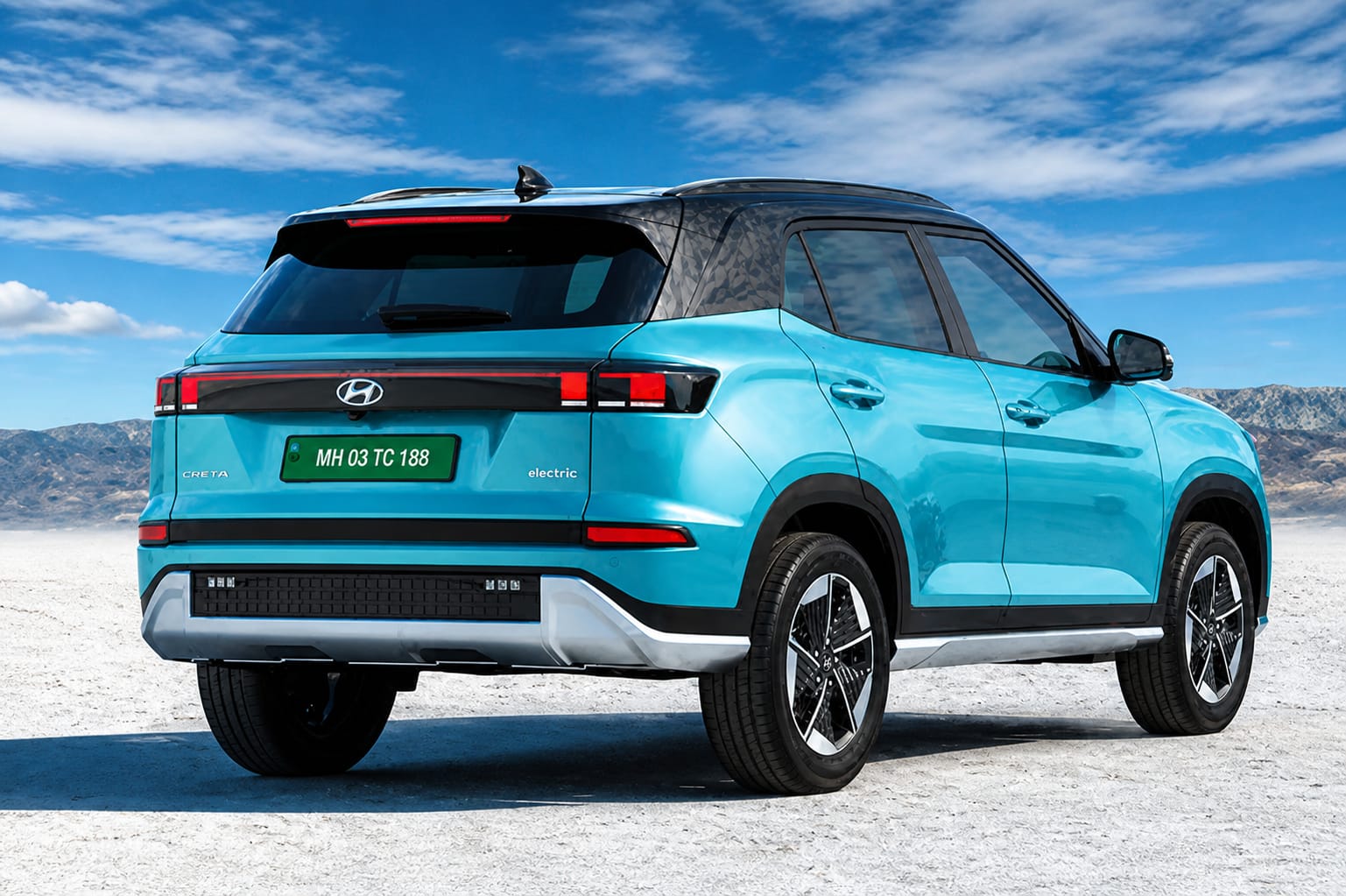
"Electrification is accelerating across the Indian SUV segment in 2026. As an alternative to pure EVs, Plug-in Hybrids (PHEVs) are positioning themselves as the smart choice, offering electric driving for city commutes and petrol power for highway capability. With at least five premium SUVs scheduled to launch this year, the market is set for a substantial upgrade. We provide an in-depth breakdown of these upcoming vehicles, focusing on their features and efficiency."
1. MG Windsor PHEV – The Range King
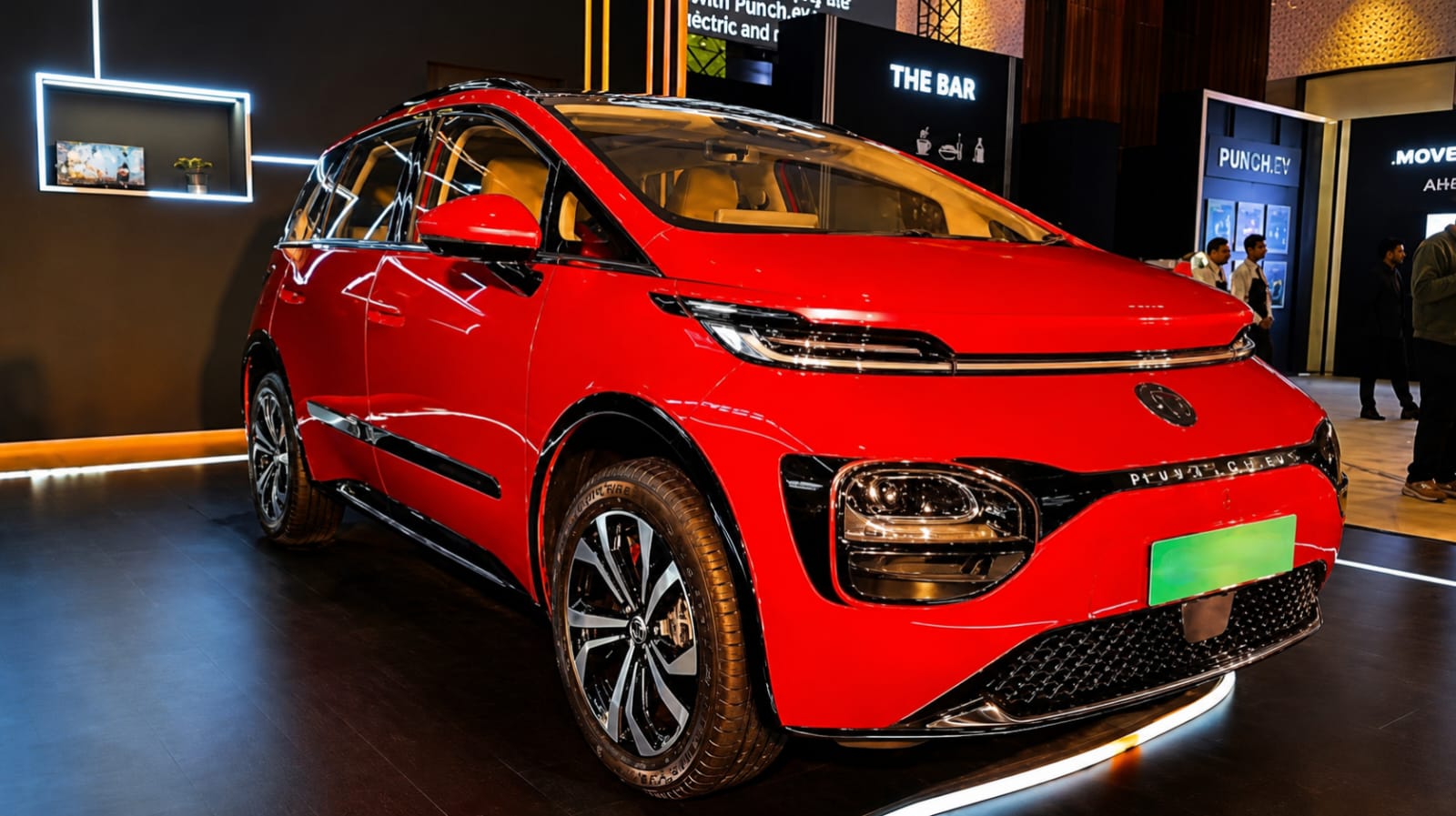
MG Motor is strategically expanding its hybrid portfolio. Building on the market success of the Hector and Comet, the MG Windsor PHEV is slated for a September 2026 launch.
Specifications & Features:
- Powertrain: 1.5L petrol engine with electric motor integration
- Electric Range: 80 km (Claimed)
- Total Range: ~850 km (Combined)
- Fuel Efficiency: 22–24 km/l (Hybrid mode)
- Battery Capacity: 18.3 kWh Lithium-ion
Key Features: Panoramic glass roof, 15.6-inch rotating touchscreen, Level 2 ADAS, and ventilated seating
Why wait for this? It looks like a premium crossover but will be priced aggressively (around ₹28-32 lakh). Perfect for families wanting an EV feel without charging anxiety.
2. Hyundai Creta PHEV – The Mass Market Disruptor
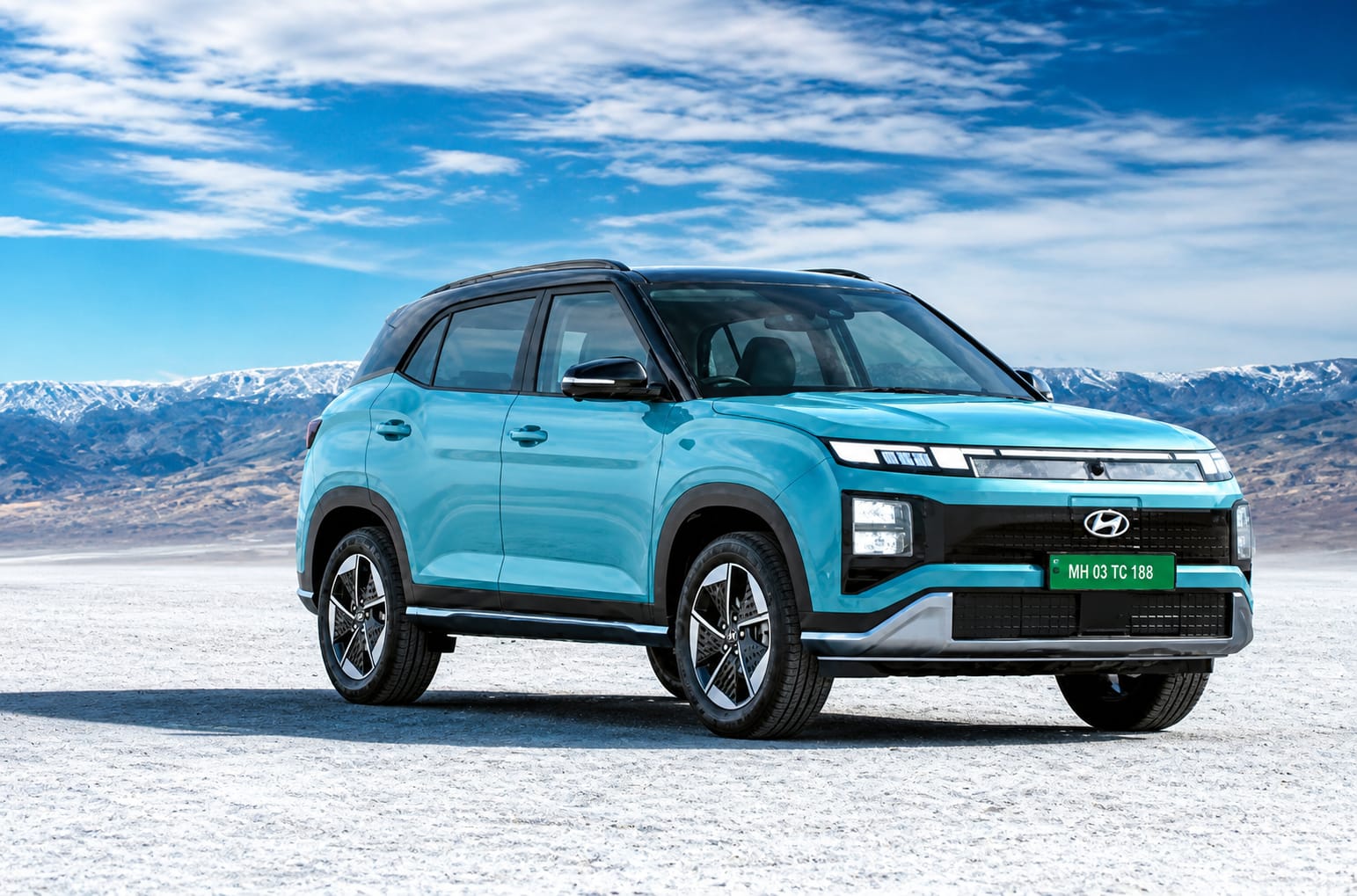
Hyundai is finally bringing a plug-in hybrid version of India’s favourite SUV. The Creta PHEV will launch around March 2026 (early in the year).
- Powertrain: 1.6-litre GDI petrol + electric motor
- Electric Range (claimed): 65 km
- Total Range: 750+ km
- Mileage (hybrid mode): 20 km/l approx.
- Charging: 0-80% in 2.5 hours via wall box
- Key Features: Dual 10.25-inch screens, Bose sound system, BlueLink connected tech, 6 airbags as standard.
Price estimate: ₹22-26 lakh. This could be the car that makes PHEVs go mainstream in India.
3. Mahindra XUV.e9 (Electric) – The Performance Beast
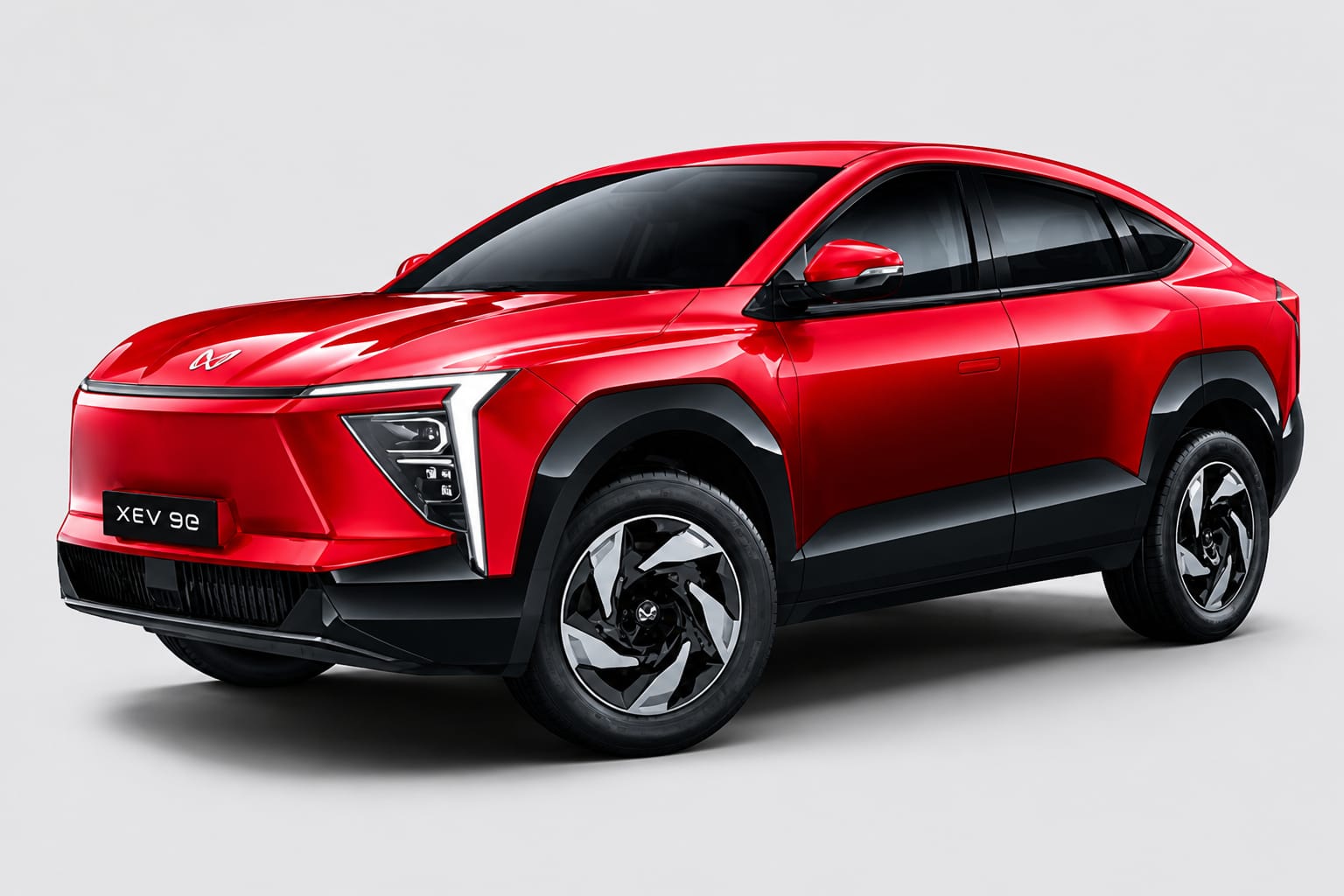
Mahindra’s born-electric platform (INGLO) will spawn the XUV.e9 coupe SUV. Launch is set for June 2026.
Unlike the others, this is a pure EV (not a hybrid). But its specs are wild.
- Battery: 79 kWh or 89 kWh options
- Range (claimed): 500-550 km (real-world: ~450 km)
- 0-100 km/h: Under 6 seconds
- Mileage (efficiency): 6-6.5 km/kWh
- Charging: 175 kW DC – 10% to 80% in 30 mins
- Key Features: Rear-wheel drive option, three-screen dashboard, blind-spot view on instrument cluster, leatherette seats.
Why exciting? It’s a head-turner with performance that beats many German cars under ₹35 lakh.
4. Kia Seltos PHEV – The Feature-Loaded Alternative
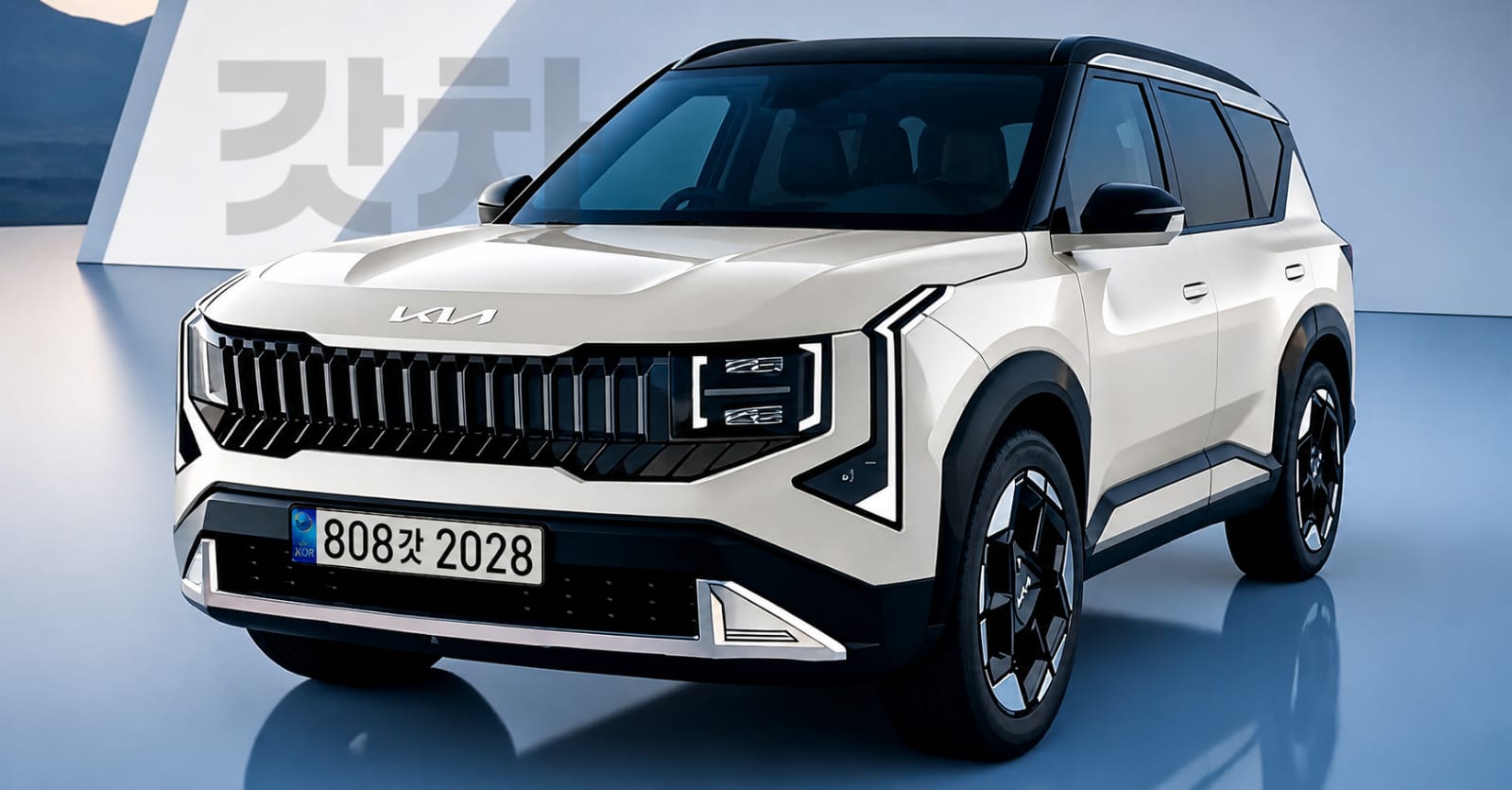
Kia won’t let Hyundai have all the fun. The Seltos PHEV is landing in October 2026 (Diwali season).
- Powertrain: 1.4-litre turbo petrol + electric motor
- Electric Range: 70 km
- Total Range: ~800 km
- Mileage (hybrid mode): 21.5 km/l
- Battery: 17.5 kWh
- Key Features: Dual-zone auto AC, ambient lighting, sound mood lamp, vehicle-to-load (V2L) – you can power a laptop or small appliance from the car.
Price: Around ₹24-27 lakh. Expect same sporty looks as the current Seltos but with green number plates.
5. Toyota Urban Cruiser EV – The Reliable No-Nonsense SUV
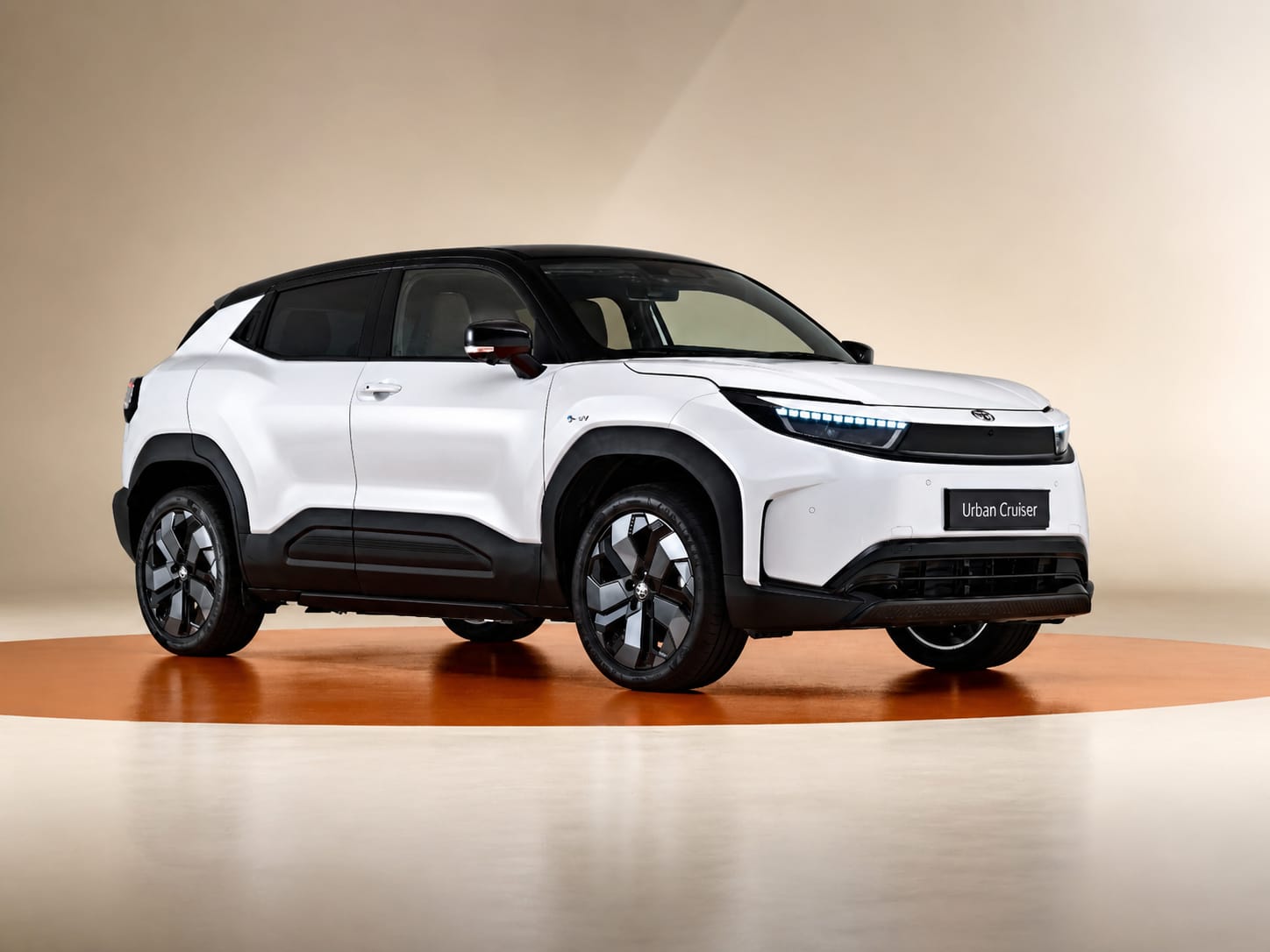
Toyota is late to the full-electric party, but they’re playing safe. The Urban Cruiser EV (based on Maruti’s eVX) will launch in December 2026.
- Battery: 60 kWh (expected)
- Range (claimed): 550 km
- Mileage (efficiency): 5.8 km/kWh
- Motor: Front-wheel drive (optional AWD later)
- Charging: 150 kW fast charger support
- Key Features: 360-degree camera, connected LED taillamps, Toyota T-Connect, massive 410-litre boot.
Why buy this? Toyota’s legendary reliability and service network. Price: ₹27-30 lakh. Not cheap, but headache-free.
Important Documents & Process to Buy PHEV/EV in India (2026)
Buying a plug-in hybrid or electric SUV is slightly different from a normal petrol car. Here’s the simple process:
Step-by-Step Process:
- Book Online/Dealership: Pay ₹21,000-1,00,000 as booking amount.
- Loan & e-RTO Registration: Dealership handles 90% of RTO work. For EVs, registration fees are lower than petrol vehicles in most states.
- Home Charging Setup: For PHEV or EV, ask the dealer for a free/paid wall charger installation (takes 2-3 days).
- Subsidy Claim: Dealership will apply for FAME-III or state subsidies (if active in 2026) directly. You get the discount on the ex-showroom price.
- Delivery & Green Plate: You get a green number plate (white text for private, yellow for taxi). PHEVs also get green plates in India.
Important Documents (Keep these ready):
- PAN Card & Aadhaar
- Driving License
- Address proof (passport, electricity bill, or rent agreement)
- Passport-size photos
- Loan papers (if financing)
Eligibility Criteria for EV/PHEV Subsidies (2026)
Not everyone gets the full subsidy. Here’s the fine print:
- For individual buyers: No income limit. Anyone can buy.
- Car cost cap: Subsidies usually apply only to EVs/PHEVs costing under ₹30 lakh (ex-showroom). Above that? No government help.
- Battery source: Car must have a locally made battery (cells assembled in India) to qualify for benefits.
- Commercial use: Taxi fleets get extra benefits but stricter registration rules.
- Corporate buyers: No subsidy. Only individual owners.
*Note: By 2026, FAME-III might be active. Check with your local dealer before booking.*
Hinglish Short Note (Suno Bhai!)
Dekho, 2026 ka SUV scene solid hone wala hai. Agar aapko city mein daily 50-60 km chalana hai toh Creta PHEV ya Seltos PHEV lelo – petrol ki tension khatam, range bhi full hai. Highway addict ho? MG Windsor PHEV dekhna, 800km+ jaayega ek tank mein.
Pure EV lover ho toh Mahindra XUV.e9 ka wait karna. Thoda mehnga hai par performance aur look dono killer. Aur "bhai bharosa wala chahiye" toh Toyota Urban Cruiser EV – late aayegi par regret nahi hogi.
Ghar pe charger lagwana mat bhoolna. Aur haan, jo SUV ₹30 lakh se upar jaayegi (ex-showroom), uska subsidy bhoolo. Green plate wali gaadi le rahe ho toh RTO registration ka jhanjhat kam hai – mast hai! 😎
Final Verdict: 2026 is the year when plug-in hybrids will go from "kya fayda" to "sahi choice hai." Pick any from the list above, and you’ll save money on fuel while driving a proper, spacious SUV.
Leave a Reply