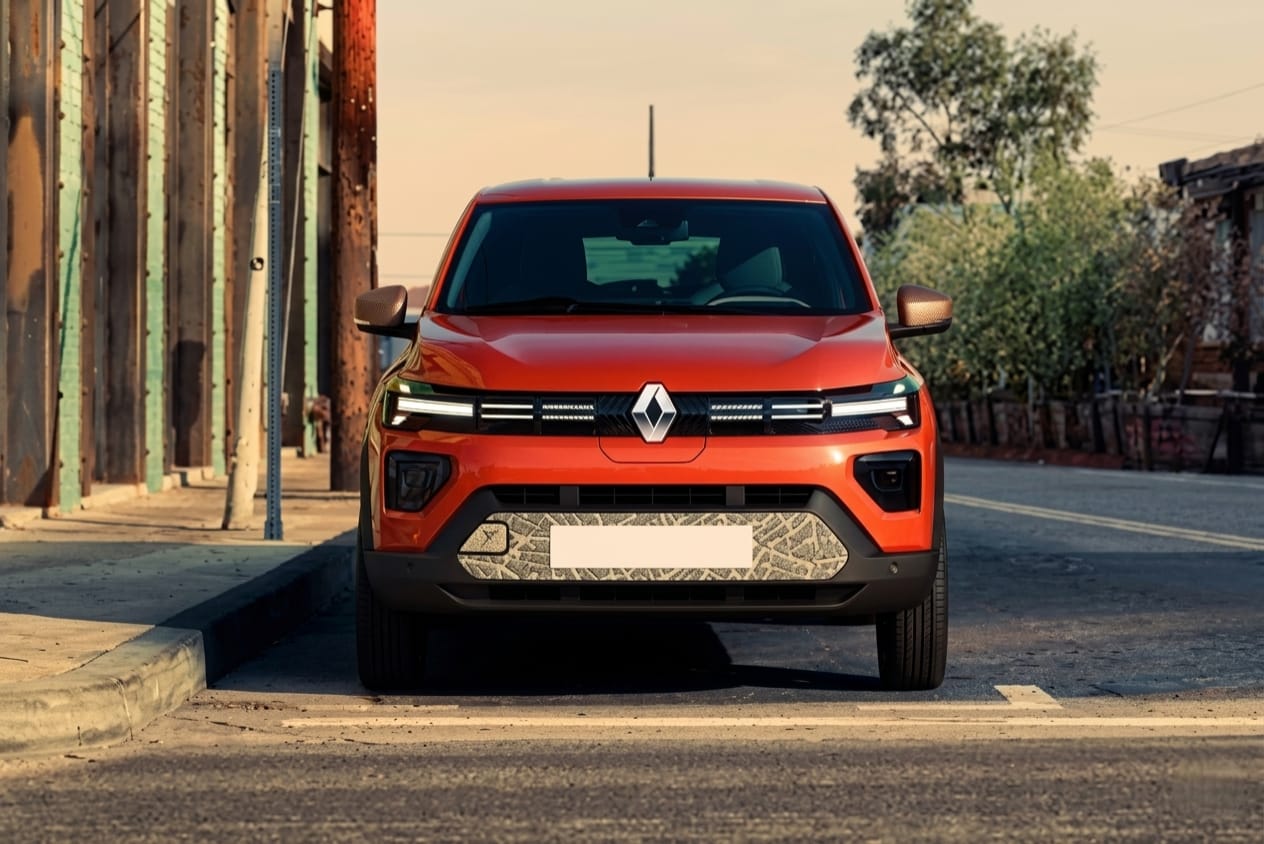
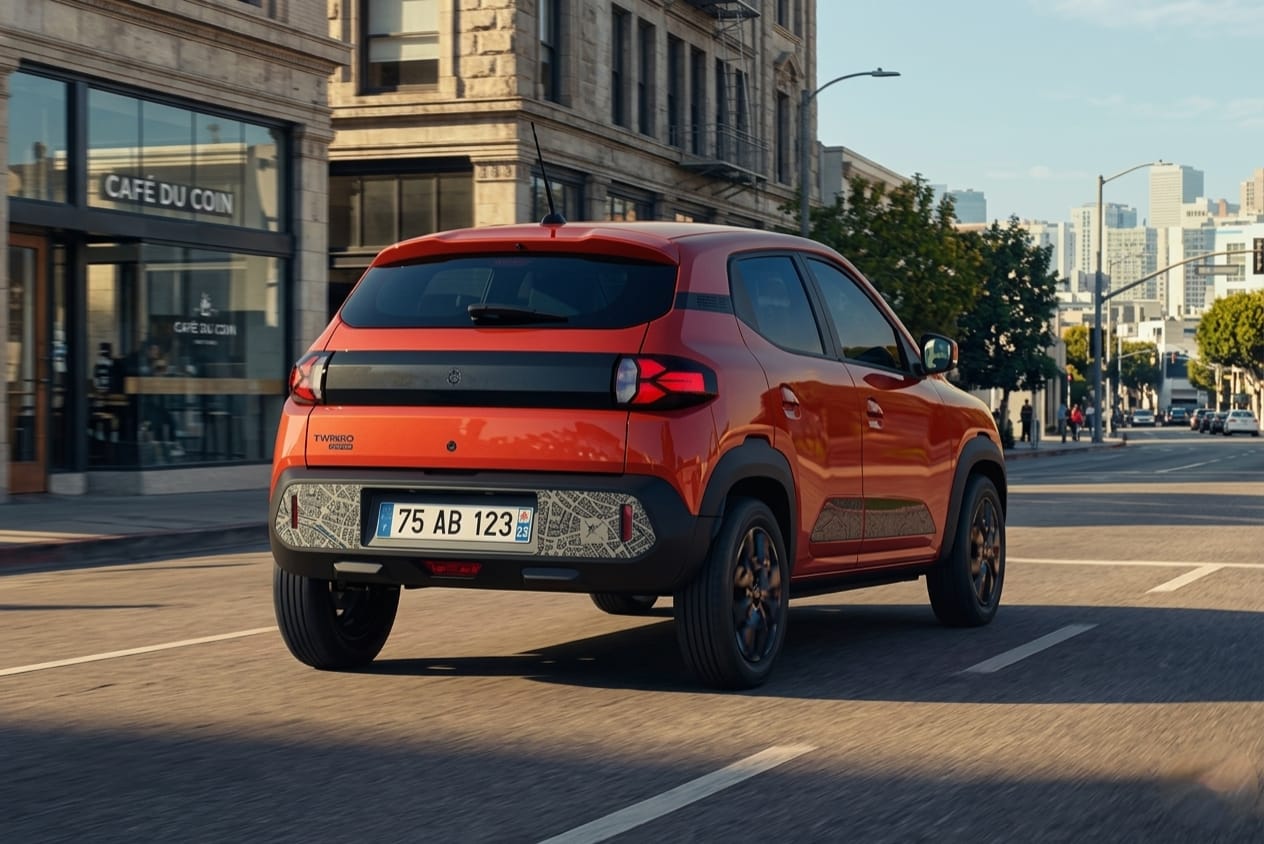
As demand rises, the Indian electric car market is still searching for true affordability. Enter the Renault Kwid EV—the highly anticipated entry-level electric hatchback poised to disrupt the budget EV space. Positioned to compete head-on with rivals like the Tata Tiago EV and MG Comet EV, this model aims to deliver practical, low-cost urban mobility. Here is the ultimate preview of the Renault Kwid EV, covering its India launch date, expected specifications, and real-world battery range.
Renault Kwid EV Launch Date: When Will It Hit Indian Roads?
Testing for the Renault Kwid EV is in its advanced stages across India. While early industry rumors pointed toward an earlier arrival, the official launch is now firmly tracking toward mid-2026. This calculated delay stems from Renault's aggressive localization strategy. By localizing manufacturing for the batteries, electric motors, and core components, the brand is positioning the electric hatchback to disrupt the market with a breakthrough, budget-friendly price point.
The Kwid EV will not be a powerful sports EV. Instead, it’s designed for smooth, fuss-free city commuting. Think of it as your daily grocery-getter or office-run car.
Key Specs (Expected)
Battery Pack: 17.3 kWh to 21 kWh (LFP cells for safety & life)
Motor Type: Permanent Magnet Synchronous Motor (PMSM)
Power Output: ~44 bhp (approx 30 kW)
Torque: ~125 Nm (instant pickup for city gaps)
Charging Time (Home): 0-100% in 8-9 hours with a 15A socket
Fast Charging: 0-80% in about 60 minutes (DC fast charger option likely in top variants)
The top speed will likely be capped at around 100 km/h – which is perfectly fine for Indian roads. You won’t take this car on a long highway trip anyway.
Mileage & Range: How Far Can It Go?
This is the most important question for any EV buyer. Renault is targeting a real-world range that makes sense for daily use.
Claimed Range (MIDC): ~230 km to 250 km per full charge
Realistic City Range: ~180-200 km (with AC on & normal traffic)
Highway Range: ~130-150 km
For context, if your daily commute is 30-40 km, you’ll need to charge the Kwid EVonce every 4-5 days. That’s very convenient.
Pro tip:The Kwid EV’slight weight (under 900 kg) helps it extract more kilometers per kWh compared to heavier EVs.
Features: What’s Inside the Kwid EV?
Renault won’t go overboard with luxury, but they are adding enough modern features to keep young buyers happy.
Expected Cabin Features
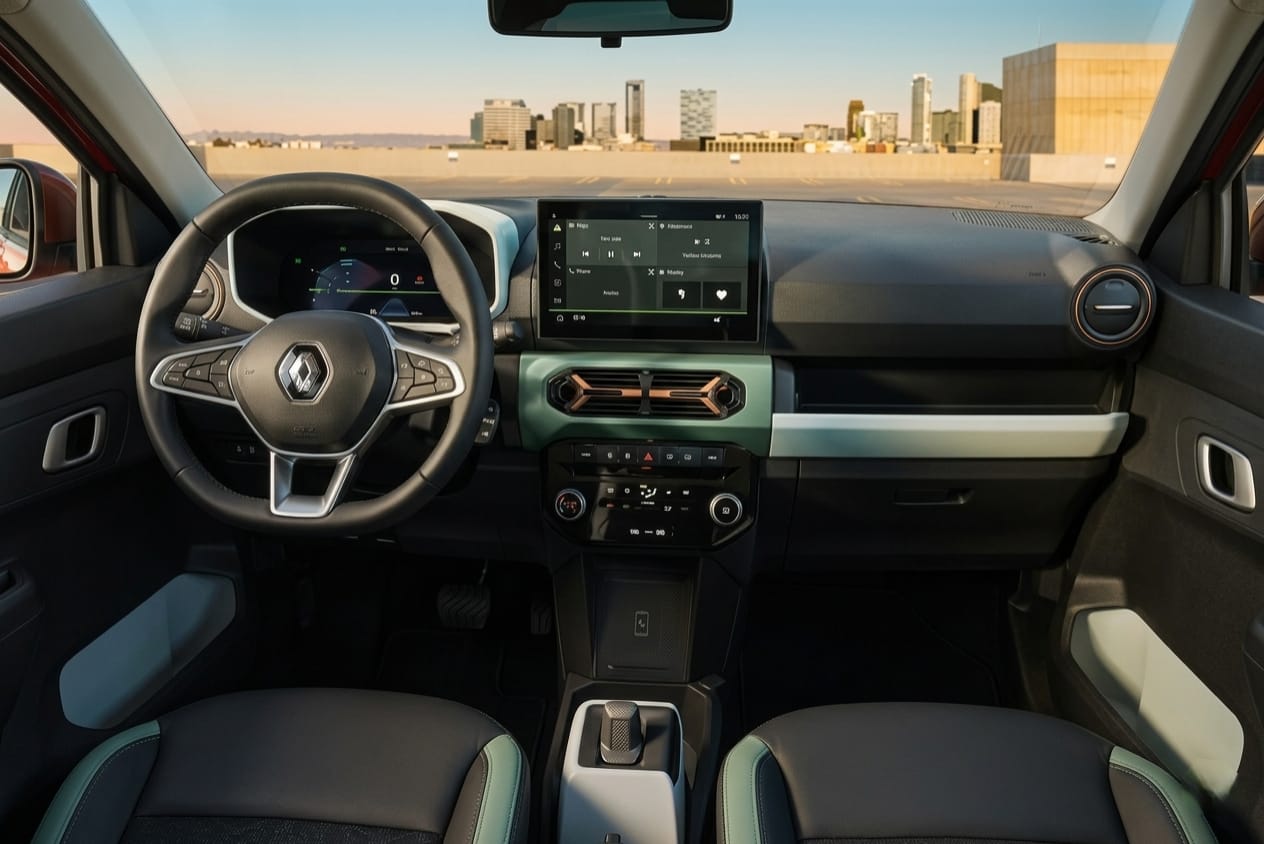
8-inch touchscreen infotainment with smartphone connectivity (Apple CarPlay & Android Auto – wired)
Digital instrument cluster (shows range, charge status, driving mode)
Manual AC (not automatic – to save cost)
Electrically adjustable ORVMs
Front power windows (rear may be manual in base variant)
Keyless entry with central locking
Safety Features (most important)
Dual airbags (driver + passenger) – standard across all variants
ABS with EBD
Rear parking sensors
High-speed alert system
Seatbelt reminder for all seats
The top-end trim may get a rear camera and ESC (Electronic Stability Control).
How to Apply / Booking Process for Renault Kwid EV
Once launched, booking will be simple – just like other Renault cars. Here’s what you can expect:
Online Booking: Visit Renault India’s official website. Select “Kwid EV” and click Book Now.
Pay Token Amount: Usually ₹11,000 to ₹21,000 (fully adjustable against ex-showroom price).
Select Variant & Color: Renault will likely offer 3 variants – Standard, Plus, and Tech.
Choose Your Dealer: Pick a nearby Renault dealership for test drive and delivery.
Complete Payment: After test drive, pay the remaining amount via loan, UPI, or cheque.
Home Delivery or Showroom Pickup – your choice.
Note: Pre-bookings may open 1-2 months before the official launch. Stay tuned to Renault’s social media pages.
Important Documents Required for EV Purchase
If you’re buying the Kwid EV (or any EV in India), keep these documents handy:
Identity Proof: Aadhaar Card / Voter ID / Passport
Address Proof: Aadhaar (works for both), Ration Card, Utility bill
PAN Card (mandatory for registration above ₹10 lakh – but keep it anyway)
Passport-size photographs (2-3 copies)
Driving License (must be valid)
Proof of income (if taking a loan – salary slips or ITR)
For company purchase, add GST certificate, company PAN, and authorization letter.
Eligibility Criteria: Who Can Buy the Renault Kwid EV?
Good news – there’s no strict “eligibility” like income limits. But here’s what you need:
Minimum age: 18 years (to register in your name)
Valid driving license (LMV – Light Motor Vehicle)
No criminal record on driving license (obviously)
Credit score: If taking a loan, CIBIL of 750+ helps get lower interest rates
Even first-time buyers, students (with parent co-signer), or senior citizens can buy it. EVs get green number plates – plus cheaper insurance and no registration hassles.
Government Subsidies & Benefits (Important for Budget Buyers)
Because the Kwid EV will be highly localized, it will likely qualify for FAME-III subsidies (once announced). Even under current state policies:
Zero road tax in many states (Delhi, UP, Maharashtra, Gujarat, etc.)
Reduced registration fees
Subsidies up to ₹1.5 lakh in some states (like Maharashtra and Telangana)
Always check with your local RTO or dealer for exact benefits in your city.
Short Note in Hinglish (For Desi Readers)
Hinglish Mein Baat: Dekho, Renault Kwid EVunke liye hai jokam budget mein EV lena chahte hain. Launch 2026 ke beech mein expected hai. Mileage 180-200 km city mein dega – roz ka office, bazaar, school drop ke liye kafi hai. Features thode simple hain, par safety ke liye dual airbags aur ABS milega. Sabse acchi baat? Price lagbhag ₹5.5lakh se start hoga. Agar aap Tata Tiago EV ko mehnga samajhte ho, toh Kwid EV ek sasta aur bharose-mand option ban sakta hai. Bus thoda wait karo. Gaadi chhoti hai, par kamal karegi city mein.
Final Verdict: Should You Wait for Renault Kwid EV?
While the Tata Tiago EV is the go-to choice for immediate buyers today, waiting for the impending launch of the Renault Kwid EV could pay off. Expected to debut in the coming weeks, the electric hatchback promises to disrupt the segment by significantly undercutting current market pricing while offering a dependable driving range. Ultimately, managing expectations is key—this is an entry-level urban EV, not a premium offering. Yet, for budget-conscious Indian households, this practical approach to electrification is exactly what the market demands.
“Renault Kwid EV: Big on Range, Easy on the Pocket.”
Leave a Reply