For the last two years, every EV enthusiast in India shared one common dream: “Tesla la rahi hai India mein factory.” The internet was flooded with memes, fan-made launch dates, and endless speculation about specifications. But as of mid-2026, that dream looks officially dead—or at least on a very long hiatus. Elon Musk has shifted his focus, India has doubled down on local manufacturing, and the initial hype has faded. Let’s break down what really went wrong and what happens next for EV buyers in India.
What Went Wrong? Key Reasons Tesla Backed Off
Tesla didn’t just wake up one day and cancel its India plans. It was the result of a slow, painful standoff driven by government regulatory roadblocks and Tesla’s shifting global priorities.
The Import Duty Standoff (The Ultimate Dealbreaker): Tesla wanted India to slash import duties from 100% to 40% so it could test market demand using Completely Built Units (CBUs). The Indian government held its ground: “No factory, no duty cut.” Musk subsequently called Indian import duties the “highest in the world by far.”
No Local Partner Willing to Bet Big: Unlike legacy automakers like Mercedes-Benz or BMW, Tesla fiercely refuses to enter Joint Ventures (JVs). While India’s Foreign Direct Investment (FDI) rules don’t mandate JVs, Tesla still needed massive local support for land acquisition, vendor networks, and supply chain logistics. No Indian corporate giant stepped up aggressively to bridge that gap.
China & Mexico Became Shifting Priorities: As negotiations with India dragged on, Tesla chose to double down on expanding its Shanghai Gigafactory and greenlighting a new plant in Mexico. Ultimately, Musk moved his capital and attention to markets with smoother regulatory pathways.
India’s Aggressive EV Policy Shift: Around 2024–25, India launched its revamped Production Linked Incentive (PLI) scheme for EV manufacturing, heavily favoring homegrown giants like Tata Motors, Mahindra, and Ola Electric. Tesla felt discouraged by a framework that primarily incentivized affordable mass-market cars rather than high-end luxury EVs.
Expected Tesla India Lineup: Specs & Pricing (Tesla India factory3)
If Tesla had entered the Indian market, insiders believe these two models would have spearheaded the launch:
Model
Expected Launch
Expected Price (INR)
Claimed Range
Tesla Model 2 (Mass-Market Hatch)
Late 2025 (Shelved)
~₹25–30 Lakh
400–450 km / charge
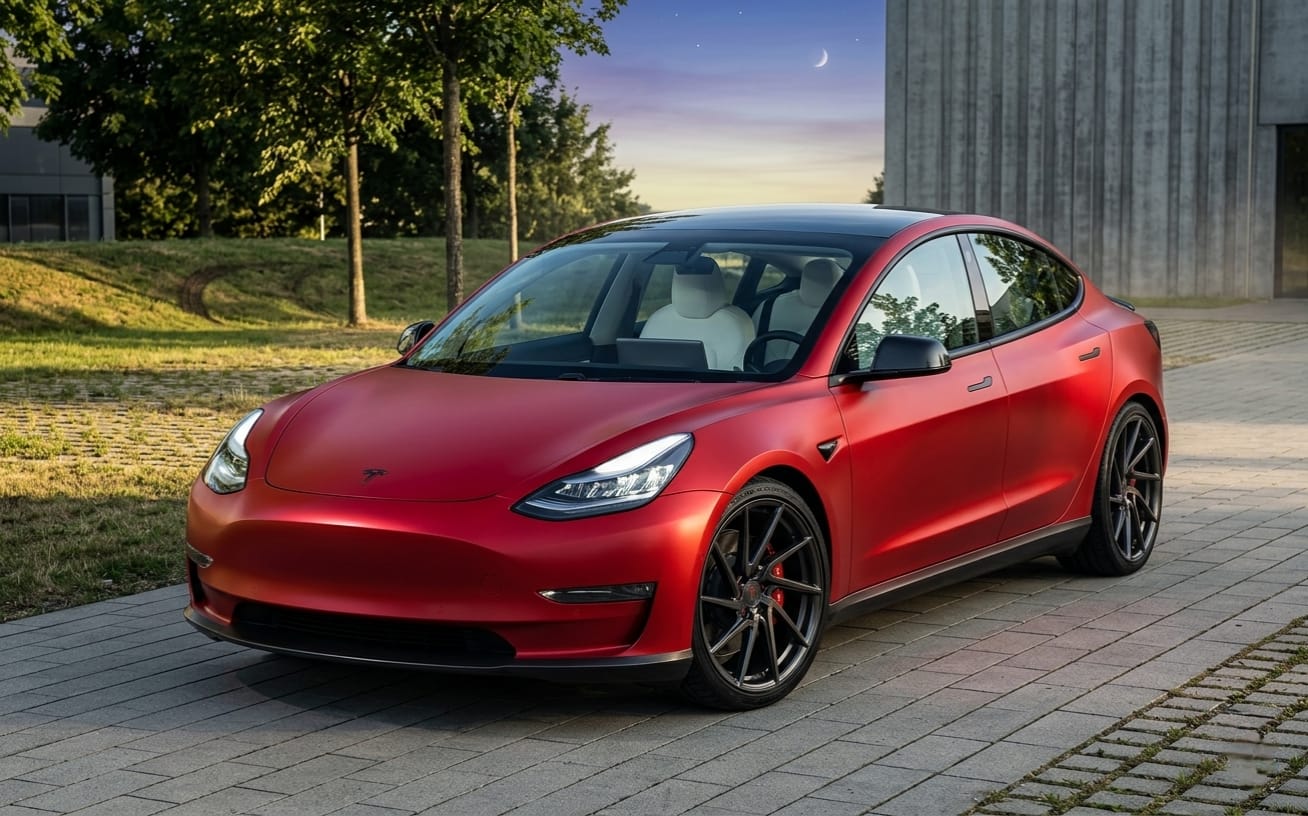
Tesla Model 3 (Premium Sedan)
Late 2024 (Shelved)
~₹55–60 Lakh (CBU)
490–550 km / charge
Key Specifications (Model 3 – Planned Tesla India factory)
Battery Pack: 60 kWh LFP (originally planned for local assembly)
Acceleration (0-100 km/h): 6.1 seconds
Top Speed: 225 km/h
Fast Charging: 150 kW Supercharger (10% to 80% in 25 minutes)
In grueling Indian driving conditions (extreme summer heat combined with heavy bumper-to-bumper traffic), Tesla’s claimed range was expected to drop by roughly 15% to 20%. Even with that drop, a real-world range of ~400 km would have been class-leading for its price bracket.
What Comes Next for Indian EV Buyers?
Tesla’s exit has left a massive vacuum in the premium space, but domestic and international players are moving fast to fill it.
Tata Motors is the “Tesla” of the Mass Market: With the Tata Curvv EV already bringing in over 10,000 bookings per month, Tata is dominating. Up next is the highly anticipated Tata Harrier EV (coming late 2026), promising a 500 km range at a competitive ₹30–35 lakh price point.
Mahindra’s BEV Lineup is a Serious Threat: Mahindra’s upcoming Born Electric SUV twins—the BE 6e and XUV 9e—are targeting a ₹28–38 lakh price tag. They are heavily spec’d with futuristic features like Augmented Reality Heads-Up Displays (AR HUD), Harman Kardon premium audio, and ultra-fast charging capabilities.
Chinese Rivals Waiting in the Wings: Given regulatory clearances, global giants are ready to strike. The BYD Seagull (targeting sub-₹15 lakh) and the existing MG Comet EV are effectively capturing the entry-level urban market that a low-cost Tesla would have targeted.
The Active Private Import Market: For die-hard fans, the grey import market remains an option. You can currently source a pre-owned 2022 Tesla Model 3 for around ₹45–50 lakh through private importers. However, this route means navigating life without an official warranty or authorized service support.
Navigating the Grey Route: Crucial Paperwork & Logistics
If you decide to bypass the official channels and import a Tesla privately, be prepared to handle a massive paperwork trail:
Bill of Entry: The essential customs document proving full duty clearance.
RTO Registration Form 20: Required for formal vehicle registration in your state.
Homologation Certificate: Proof of compliance from ICAT or ARAI (notoriously difficult to obtain for individual private imports).
Bank NOC: A No Objection Certificate from your financier if the vehicle is imported under a loan.
⚠️ Critical Warning: Official Tesla service channels will not service grey-import cars. Sourcing basic replacement components from hubs like Dubai or the US can take anywhere from 3 to 6 months.
Strict Eligibility Criteria for Personal Imports
Indian customs regulations are incredibly tight to prevent commercial misuse. To bring a Tesla in under personal compliance:
Transfer of Residence: You must have owned and used the vehicle abroad for a minimum of 6 months.
DGFT Import License: Alternatively, you need a direct import license from the Directorate General of Foreign Trade (nearly impossible for individual buyers).
Configuration: The vehicle must be Right-Hand Drive (RHD). Left-Hand Drive (LHD) vehicles are strictly illegal for Indian road registration.
Vehicle Age: The car must be less than 3 years old from its original manufacturing date.
The Tax Hit: Expect a ~110% customs duty on the CIF (Cost, Insurance, and Freight) value. A $40,000 Tesla quickly balloons into an $84,000 investment by the time it lands in India.
Quick Take: For the Desi EV Enthusiast
“Tesla ka India factory sapna abhi filhaal toot gaya bhai. Musk ne bola – pehle duty karo 40%, sarkar ne kaha – pehle factory lagao. Dono nahi maane. Ab Tata aur Mahindra ne market sambhal li hai. Model 3 chalane ka mann hai? Grey import mein ₹50 lakh+ lagega aur service nahi milegi. Better hai wait karo – Curvv EV ya XUV 9e 2026 tak aa rahi hai. Tesla kabhi aayegi? Ho sakta hai 2028-30 mein jab India ka luxury EV market ready ho. Tab tak – Tata ko hi Tesla bolo.”
Final Verdict: Tesla India factory
For a localized, mass-production Gigafactory—yes, the dream is dead for the next 3 to 4 years.
For limited-run official imports, there is still a glimmer of hope if the government introduces a specialized, low-volume luxury EV quota policy capped at a few thousand units.
But for you as a buyer, our advice is simple: don’t wait. The best electric vehicles available in India right now are homegrown, significantly more affordable, and backed by robust local dealer networks alongside reassuring 8-year battery warranties.
Tesla missed the bus. India built its own EV lane—and honestly, traffic is moving just fine without Elon.

Leave a Reply