
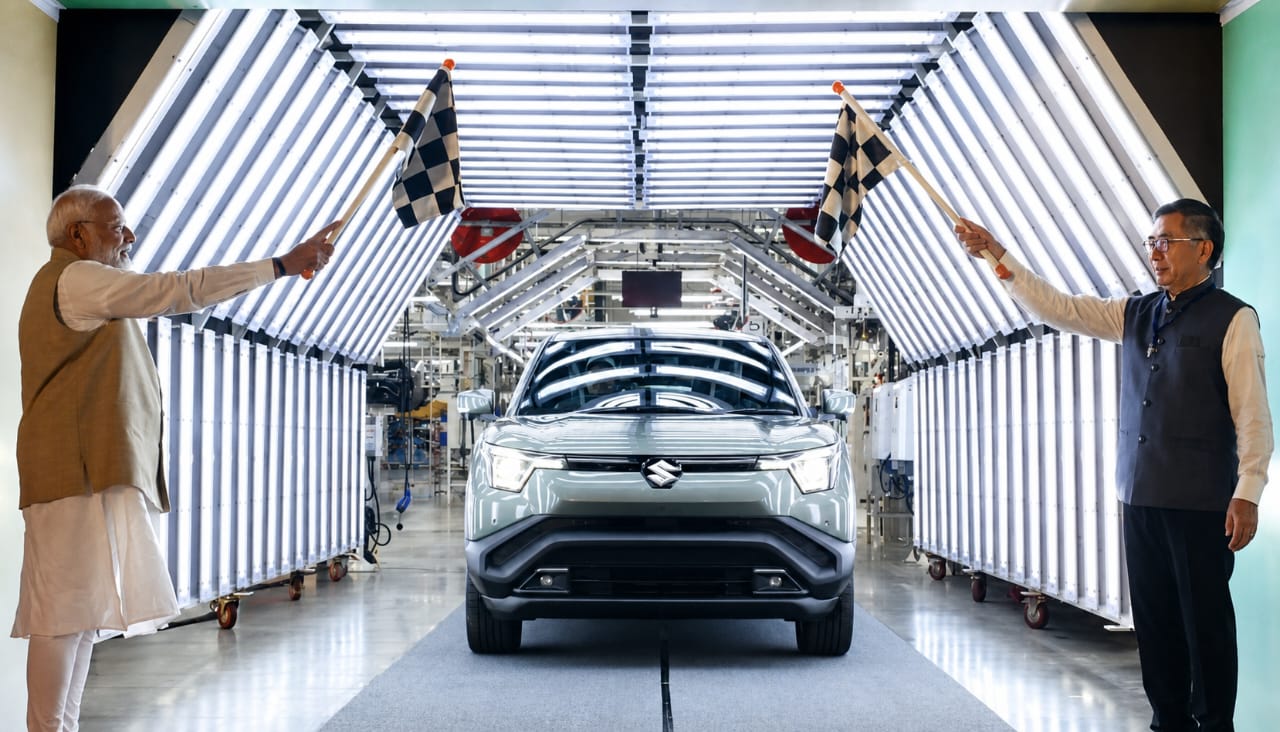
Set to reshape bilateral automotive dynamics, the India-UK Free Trade Agreement (FTA) takes effect on July 15, 2026. However, the most significant milestone for India's clean-mobility sector will trigger in the sixth year, granting duty-free access to the UK market for made-in-India electric, hybrid, and hydrogen passenger vehicles.
Leading automakers like Maruti Suzuki, Mahindra and Tata Motors are already positioning themselves to tap into this lucrative right-hand-drive market. Backed by a target to double bilateral trade to $100 billion by 2030, this pact offers a direct fast-lane for Indian green vehicles onto British soil.
📅 Key Dates: When Will Indian EVs Reach the UK?
| Event | Timeline |
|---|---|
| FTA Signing | July 2025 |
| FTA Implementation | July 15, 2026 |
| Duty-Free EV Exports Begin | Sixth Year (approx. 2031) |
| Peak Export Quota Reached | Fifteenth Year (approx. 2040) |
Note: The FTA does not extend immediate tariff benefits to electric, hybrid, or hydrogen-powered vehicles. These segments will remain outside the concessional structure for the first five years.
⚙️ Key FTA Provisions for Indian EV Exports
Price Bands & Duty-Free Access
Under the agreement, made-in-India electric, hybrid, and hydrogen passenger cars will enter the UK free of customs duty from the sixth year across three price brackets:
Export Quota System
🚗 Which Indian Automakers Are Benefiting?
🇮🇳 Maruti Suzuki
Maruti Suzuki has already demonstrated its export capabilities. The company has exported around 36,000 units of its eVITARA model to Europe within nine months of launch, with the UK emerging as a top market.
“We believe India has the competitiveness to welcome liberalisation and use it for export opportunities, and we thank the Government for this FTA with the UK.” – Rahul Bharti, Senior Executive Officer, Corporate Affairs, Maruti Suzuki
🇮🇳 Mahindra & Mahindra
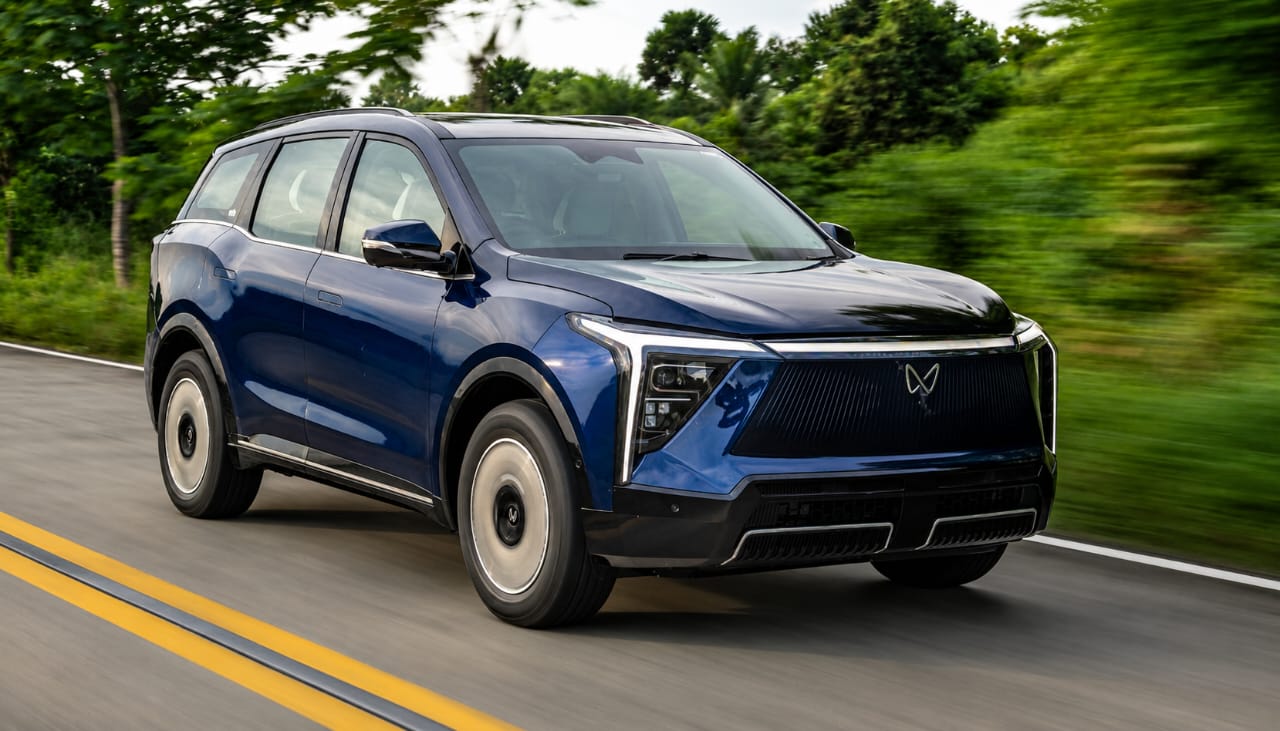
M&M sees the UK as a strategic right-hand-drive market for its electric SUV portfolio.
“The India-UK FTA is a positive development that could create new opportunities for India-manufactured electric vehicles. We will evaluate it as part of a calibrated global expansion of our electric SUV portfolio.” – Velusamy R, President, Automotive Business, M&M
🇮🇳 Tata Motors
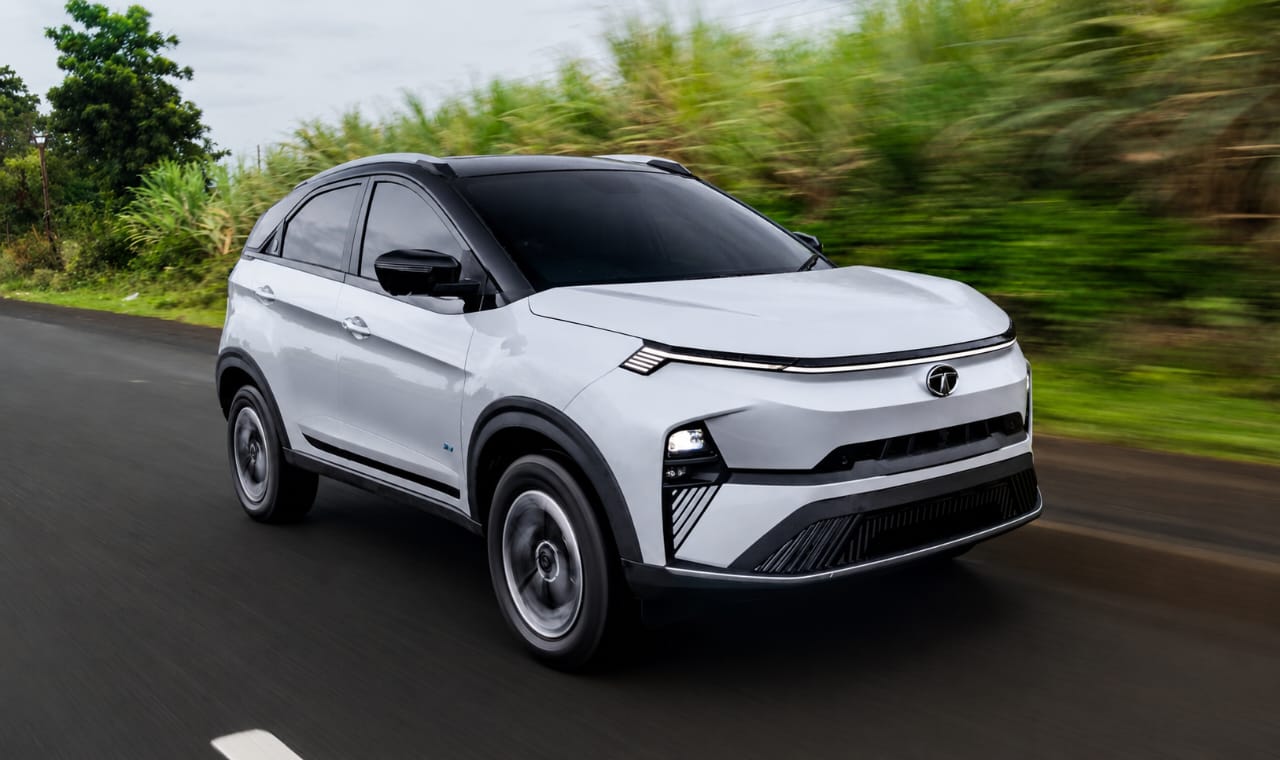
Tata Motors views the pact as a calibrated pathway for sustainable mobility expansion.
“The phased, quota-based framework creates a calibrated pathway by opening new export opportunities for Indian-made EVs in the UK while supporting long-term competitiveness of the domestic industry.” – Tata Motors Passenger Vehicles Spokesperson
🇬🇧 What About British Cars Coming to India?
While Indian EVs gain duty-free access to the UK from the sixth year, British automakers get immediate benefits in the Indian market:
| Category | Current Duty | New Duty (Year 1) | Final Duty (Year 5) |
|---|---|---|---|
| Large ICE Vehicles (>3000cc petrol / >2500cc diesel) | ~110% | 30% (10,000 units quota) | 10% |
| Mid & Small ICE Vehicles | ~66% | 50% (5,000 units each) | 10% |
The pact establishes a 15-year quota allowing up to 378,000 UK vehicle imports under concessional duties. To protect local industries, however, mass-market EVs priced under £40,000 are excluded from these duty benefits.
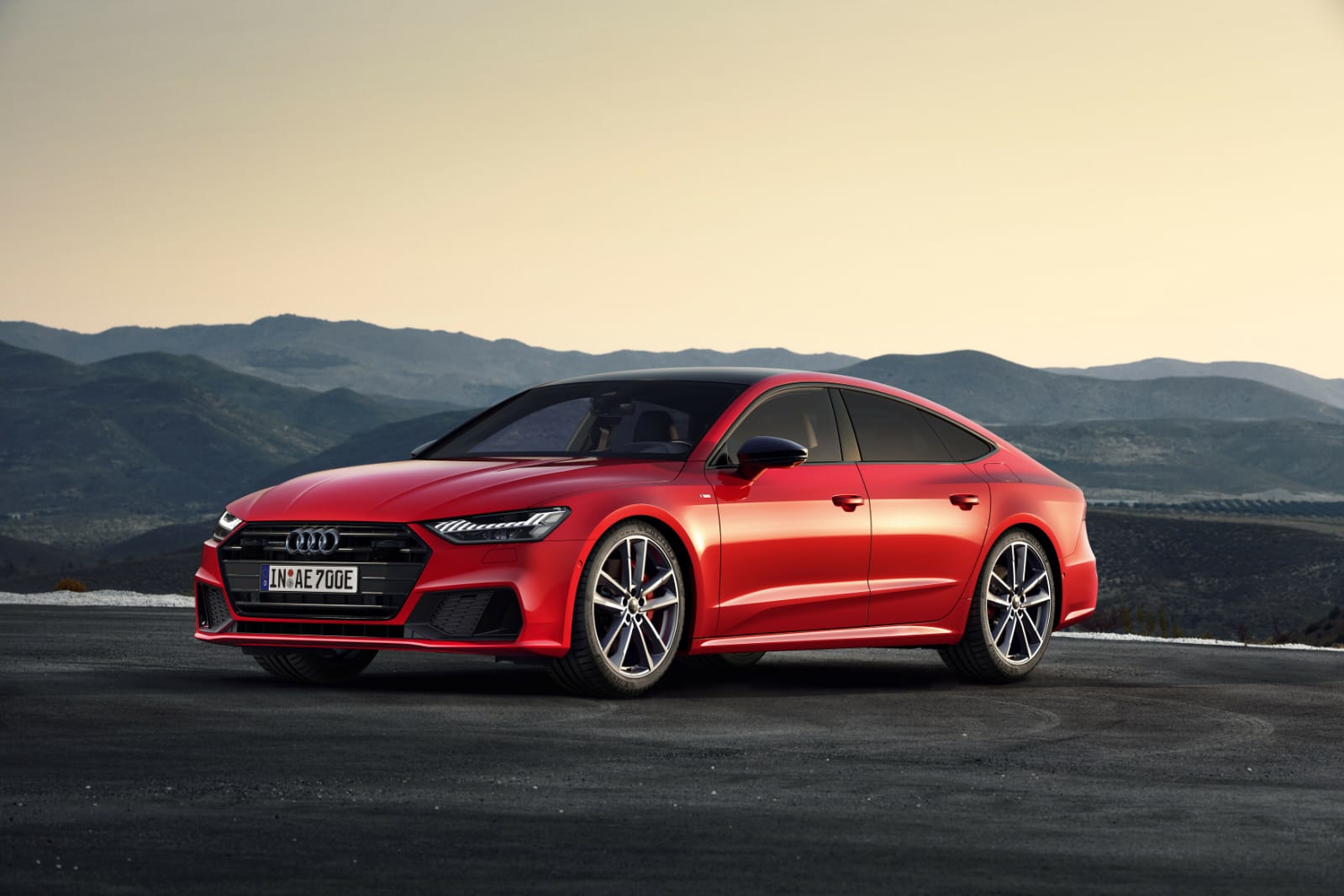
Looking to seize an immediate advantage under the new tariff structures, premium automakers are adjusting early. Jaguar Land Rover, for instance, has already slashed prices on flagship models like the Range Rover SV and Range Rover Sport SV by up to ₹75 lakh.
🛒 How Can Indian Automakers Avail the Benefits?
Step-by-Step Process for Exporters
- Register with HMRC: Indian manufacturers must register with the UK’s HMRC to complete origin declarations for exports under the FTA.
- Self-Certify Origin: The agreement allows self-certification of origin instead of obtaining certificates from authorities for each consignment.
- Comply with Rules of Origin: Ensure vehicles meet the agreed rules of origin criteria to qualify for duty-free access.
- Stay Within Quota Limits: Monitor annual quota allocations across price bands.
- Price Vehicles Appropriately: Vehicles priced above £80,000 are excluded from duty benefits.
📄 Important Documents Required (India-UK FTA EVs)
| Document Type | Specifics |
|---|---|
| Origin Declaration | Self-certified or from competent authority |
| Commercial Invoice | With detailed product description and value |
| Packing List | With vehicle specifications and quantities |
| Bill of Lading | Shipping documentation |
| Customs Declaration | For UK import clearance |
| Vehicle Registration Documents | As per UK requirements |
✅ Eligibility Criteria (India-UK FTA EVs)
📝 Short Note (Hinglish Mein Baat)
Dosto, suno! India-UK FTA 15 July 2026 se implement ho raha hai. Iska sabse bada faida Indian EV makers ko milega – Maruti, Mahindra, aur Tata ab UK mein apni made-in-India electric cars bech sakte hain. Par ye turant nahi hoga – duty-free export 6th year (approx. 2031) se shuru hoga.
Kya milega?
- 17,600 units 6th year mein duty-free
- 88,000 units 15th year tak
- Teen price bands – under £20K, £20K-£40K, £40K-£80K
Indian companies ka reaction?
Maruti ne already 36,000 eVITARA Europe mein export ki hain. M&M bola – "UK important right-hand-drive market hai". Tata Motors ne kaha – "phased, quota-based framework sustainable mobility ke liye acha hai".
Aur British cars?
UK ki luxury cars India mein sasti ho jayengi – duty 110% se 10% tak. Jaguar, Land Rover ne already ₹75 lakh tak prices cut ki hain. Par mass-market EVs ko protection mili hai – India ne apne domestic EV segment ko bachaya hai.
Bottom line: Made-in-India EVs ko UK mein bada opportunity mil raha hai, par iske liye 5 saal wait karna padega. 2031 tak Indian EVs British roads pe nazar aayengi! 🚗💨
Disclaimer: All information provided is based on the India-UK CETA document and media reports as of June 2026. Specific terms, quotas, and timelines are subject to the final agreement text and subsequent amendments. Please refer to official government sources for the most accurate and updated information.
Leave a Reply